The Physics Behind the Sound
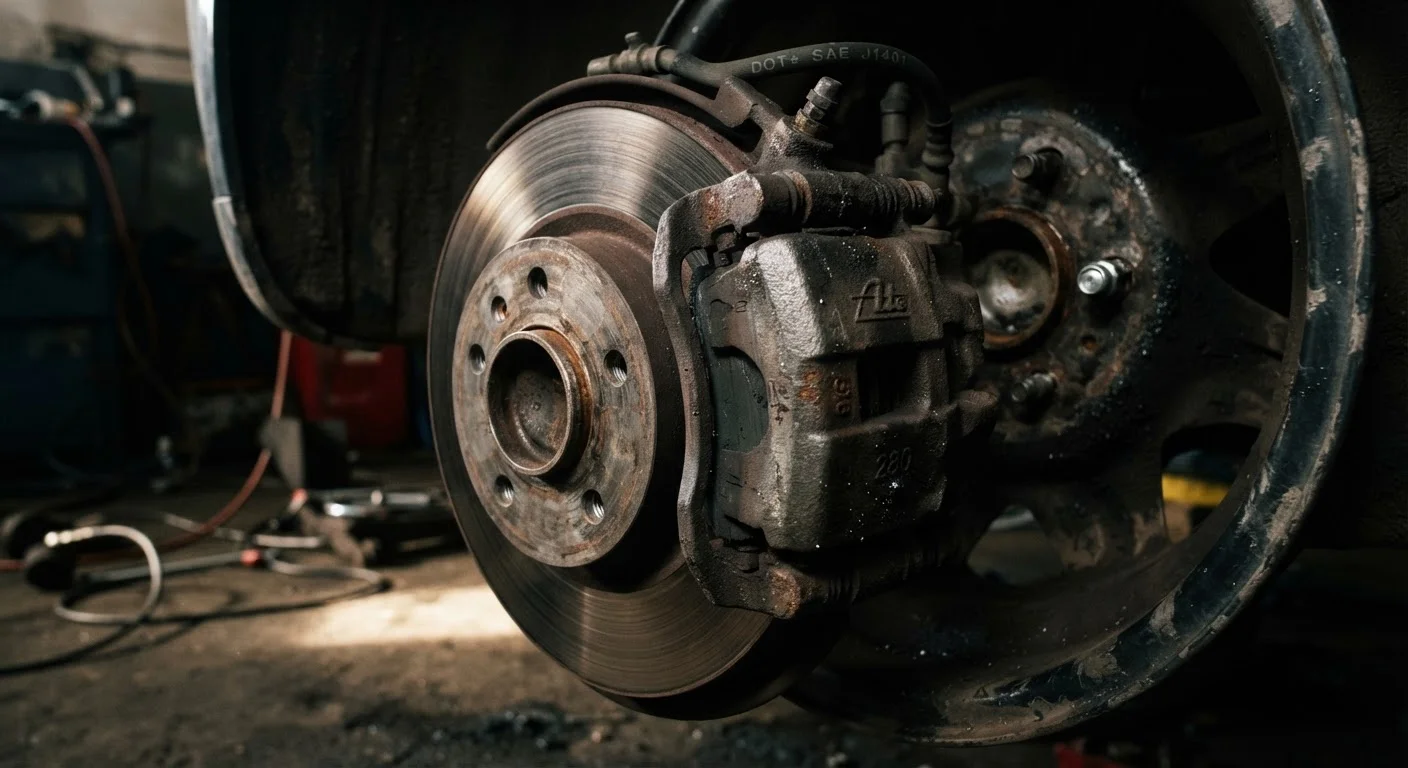
Brake systems work by clamping friction material - the brake pad - against a spinning metal disc called the rotor. That friction converts kinetic energy into heat, slowing the wheel. When the pad and rotor vibrate against each other at certain frequencies during that contact, the result is an audible squeal.
Think of it like dragging a wet finger across a glass rim: the friction creates oscillation, and that oscillation produces sound. The exact pitch depends on the materials involved, the pressure applied, the temperature, and the surface condition of both components. This is why brake noise can sound different from stop to stop even in the same vehicle.
Understanding this basic mechanism helps clarify something important: noise alone does not equal failure. But noise always has a cause, and identifying that cause determines whether you need to act now or simply monitor the situation.
Common Causes That Are Not Emergencies
Several factors can produce brake squeal without signaling imminent danger:
- Moisture and surface rust. Iron rotors are exposed to air and water whenever the car sits overnight. A thin rust layer forms on the rotor surface and produces a brief scraping squeal during the first few stops of the day. It typically clears within a minute.
- Cold temperatures. Brake pads become stiffer in cold weather, which can change how they vibrate against the rotor and produce noise until they warm up.
- Brake dust buildup. Fine metallic and carbon particles from normal braking accumulate on the rotor and pad, sometimes causing intermittent noise.
- Semi-metallic pad composition. Higher-metallic-content pads offer excellent stopping performance but are more prone to squeal by nature of their material makeup.
- New pad break-in. Freshly installed pads need a period of use - typically a few hundred miles of gradual stops - before the pad surface fully seats against the rotor.
Track the Pattern Before Your Appointment
Before visiting a mechanic, note when the squeal occurs - morning only, every stop, at speed, or just during hard braking. Also record whether it started recently or has been present for weeks. This information helps a technician narrow down the cause more efficiently and saves diagnostic time.
When the Squeal Is a Deliberate Warning
Most modern brake pads include a wear indicator - a small metal tab positioned so that it contacts the rotor when the friction material has worn down to the minimum safe thickness. That contact is designed to produce a consistent, high-pitched squeal every time the brakes are applied. It's an intentional alarm built into the hardware.
If you notice squealing that happens on nearly every stop and doesn't go away after a day or two of driving, the wear indicator is the first thing a mechanic will check. Ignoring it means the pad continues to wear until the metal backing plate contacts the rotor directly - at that point, squealing turns to grinding, and rotor damage becomes likely. Rotor replacement is significantly more expensive than a pad replacement.
~$150-$300
Typical cost of a brake pad replacement (per axle)
Rotor replacement adds significantly to this cost, which is why addressing pad wear early - before rotors are damaged - generally saves money.
2-3 mm
Typical minimum safe brake pad thickness
Most manufacturers and safety guidelines recommend inspecting or replacing pads before they reach this threshold; wear indicators are typically positioned to alert drivers around this measurement.
Sounds That Demand Immediate Action
Not all brake noise is equal. Certain sounds indicate a problem that should not wait for a scheduled appointment:
- Grinding or growling. Metal-on-metal contact between the pad backing plate and rotor. Stopping performance is already compromised at this stage.
- Squealing combined with pulling. If the car drifts to one side during braking alongside the noise, a caliper may be sticking or a pad may be worn unevenly.
- Squealing with a soft or spongy pedal. Pedal feel changes alongside noise suggest a possible hydraulic issue - this combination warrants immediate professional attention.
- Squealing at high speed without braking. This can indicate a loose wheel bearing or a dragging caliper rather than a pad issue, both of which affect vehicle control.
For a broader reference on vehicle noises and what drives them, see our guide to common car warning sounds.
Brake Noise Varies by Vehicle Design
Some vehicles - particularly those with performance-oriented semi-metallic pads or certain European brake systems - produce more noise under normal operation than others. If you've owned a vehicle for some time and a new sound develops, that change in pattern matters more than comparing your car's brakes to a different make or model.
What to Do When You Hear It
The practical steps are straightforward. First, note the pattern: Does it happen only on the first stop of the morning? Only when braking hard? Constantly? That context helps a mechanic diagnose the cause efficiently.
Second, pay attention to how the brakes feel. Consistent pedal firmness and normal stopping distances alongside a light squeal are much less concerning than noise paired with any change in braking feel or vehicle behavior.
Third, don't let it linger without investigation. A qualified mechanic can inspect brake pad thickness, rotor surface condition, caliper function, and hardware in a relatively short appointment - and many shops will perform a visual brake check at no charge during routine service visits. Brakes are a safety system; uncertainty about their condition is not worth carrying.
This article is for general informational purposes only. For any brake concern affecting your vehicle's performance or safety, consult a qualified automotive technician.