Why These Three Components Get Confused
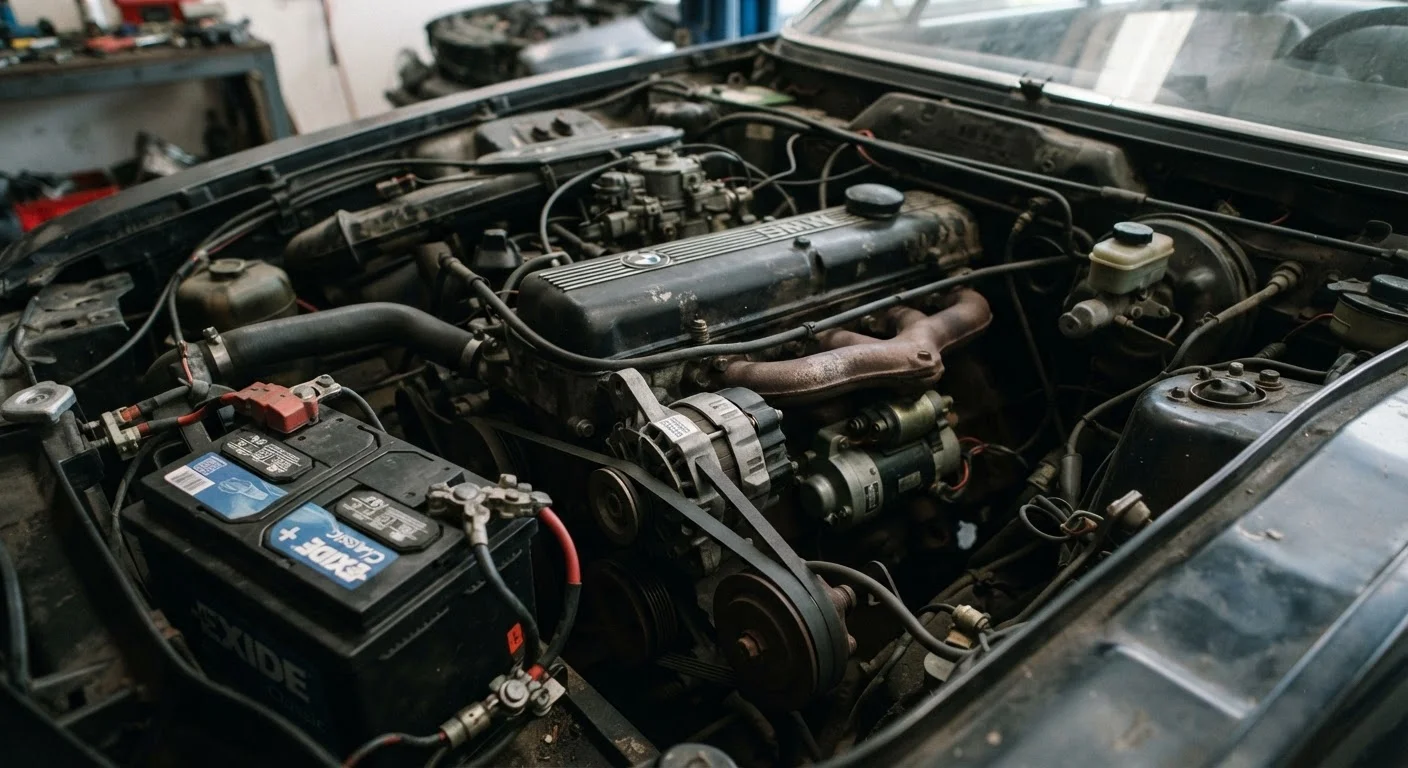
The battery, alternator, and starter are all part of your vehicle's electrical starting system, and they depend on each other to function. When one fails, the symptoms can look - or sound - a lot like failure in one of the others. Understanding the role each plays is the first step toward accurate diagnosis.
For a deeper look at how these components interact as a system, see how the alternator, battery, and starter work together. In brief: the battery provides the initial electrical power to crank the engine, the starter motor uses that power to physically turn the engine over, and the alternator recharges the battery once the engine is running. When any link in that chain breaks, the car won't start - but the nature of the failure leaves different clues.
Reading the Symptoms: What Each Failure Looks and Sounds Like
Battery failure is the most common of the three. The most recognizable sign is rapid, repetitive clicking when you turn the key - the starter solenoid is trying to engage but isn't getting enough power. You may also notice the engine cranking very slowly (a "slow crank") before it either starts weakly or doesn't start at all. Dash lights may flicker or appear dim when you try to start. Cold weather amplifies battery weakness, so a battery that starts fine in summer may fail on the first cold morning. Warning signs that your car battery is nearing the end of its life are often visible weeks before a complete failure.
Alternator failure shows up differently - usually while the engine is already running. Classic signs include headlights that dim noticeably at idle and brighten when you rev the engine, a battery warning light on the dashboard, and electronics that behave erratically (radio cutting out, power windows slowing). Because the alternator is what keeps the battery charged, a failing alternator will eventually drain even a healthy battery. If you jump-start the car and it dies again within a short drive, the alternator is the more likely culprit, not the battery.
Starter failure has its own signature. You'll often hear a single loud click or a grinding, whirring sound when you turn the key, with no engine turnover. Sometimes the starter engages intermittently - the car starts fine one time and refuses the next. Occasionally, a failing starter motor will spin freely without actually turning the engine (a high-pitched whine on key turn). Unlike battery failure, the dashboard lights and electronics typically behave normally because the battery itself is fine.
| Battery | Alternator | Starter | |
|---|---|---|---|
| Primary symptom | Rapid clicking or very slow crank | Dimming lights while driving | Single click or grinding, no crank |
| When it appears | On startup attempt | While engine is running | On startup attempt |
| Dashboard warning light | May show battery icon | Battery light, often with other warnings | Usually none |
| Jump-start result | Car starts and stays running | Car starts but dies soon after | Often no effect |
| Electronics behavior | Dim or flickering on startup | Erratic while driving | Normal - battery is fine |
| Cold weather impact | Significantly worsens symptoms | Minimal direct impact | Minimal direct impact |
| Ease of DIY diagnosis | Easy - multimeter test | Moderate - charging output test | Harder - often needs shop test |
Simple Tests You Can Do Before Calling a Mechanic
You don't need a professional shop to narrow down the problem. These basic checks can save you a diagnostic fee and help you walk into a repair conversation with useful information. Before doing anything under the hood, make sure the vehicle is in park with the parking brake set.
- Check battery voltage: A basic digital multimeter (a widely available, inexpensive tool) can measure battery voltage. A fully charged, healthy 12-volt battery should read between 12.4 and 12.7 volts with the engine off. Below 12.0 volts suggests significant discharge; below 11.8 volts typically means the battery cannot reliably start the car.
- Try a jump-start: If the car starts immediately when jump-started, the battery is the likely culprit. If it starts but dies again within minutes of driving, the alternator may not be charging the battery. If jump-starting has no effect whatsoever, the starter or a deeper electrical fault may be at play.
- Listen carefully: Have someone else turn the key while you listen near the engine bay. Rapid clicking = battery. A grinding or whirring with no crank = starter. Slow labored turnover = battery or, less commonly, a mechanical engine issue.
Check Connections Before Assuming Part Failure
Corroded or loose battery terminals can mimic a dead battery almost perfectly. Before concluding the battery itself has failed, visually inspect both terminal connections for white or bluish crust (corrosion) and make sure each cable is tight. Cleaning terminals with a wire brush and a baking soda-and-water solution is a simple step that occasionally resolves a no-start without any part replacement at all.
If you're not confident performing these checks, or if the results are inconclusive, a qualified mechanic can run a full charging system test - typically a quick, low-cost service. Before agreeing to repairs, it also helps to understand what you're being charged for; reading a mechanic's estimate without getting lost explains how to decode labor hours, part types, and diagnostic fees.
Common Mistakes That Lead to the Wrong Repair
The biggest diagnostic error drivers make is replacing the battery when the alternator is actually the problem. A new battery installed in a car with a failing alternator will be drained within days, leaving you with the same dead-car symptom and a battery that now appears defective. Always test the charging system output - ideally at the same time as the battery - before replacing either part.
Similarly, some drivers assume a no-start is always the battery simply because it's the most familiar component. If the battery tests at full charge and the car still won't start, move methodically to the alternator and then the starter rather than replacing parts by process of elimination without data.
Unusual sounds are also valuable evidence - don't ignore them. The warning sounds your car makes and what each one means can help you build a clearer picture before spending money.
Don't Replace Parts Without Testing First
Replacing a battery, alternator, or starter without confirming which component has actually failed can be an expensive mistake. Each part can cost anywhere from tens to several hundred dollars plus labor. Many auto parts retailers offer free battery and charging system tests in their parking lots - take advantage of this before authorizing any repair. A wrong diagnosis doesn't just waste money; it leaves the real problem unfixed.