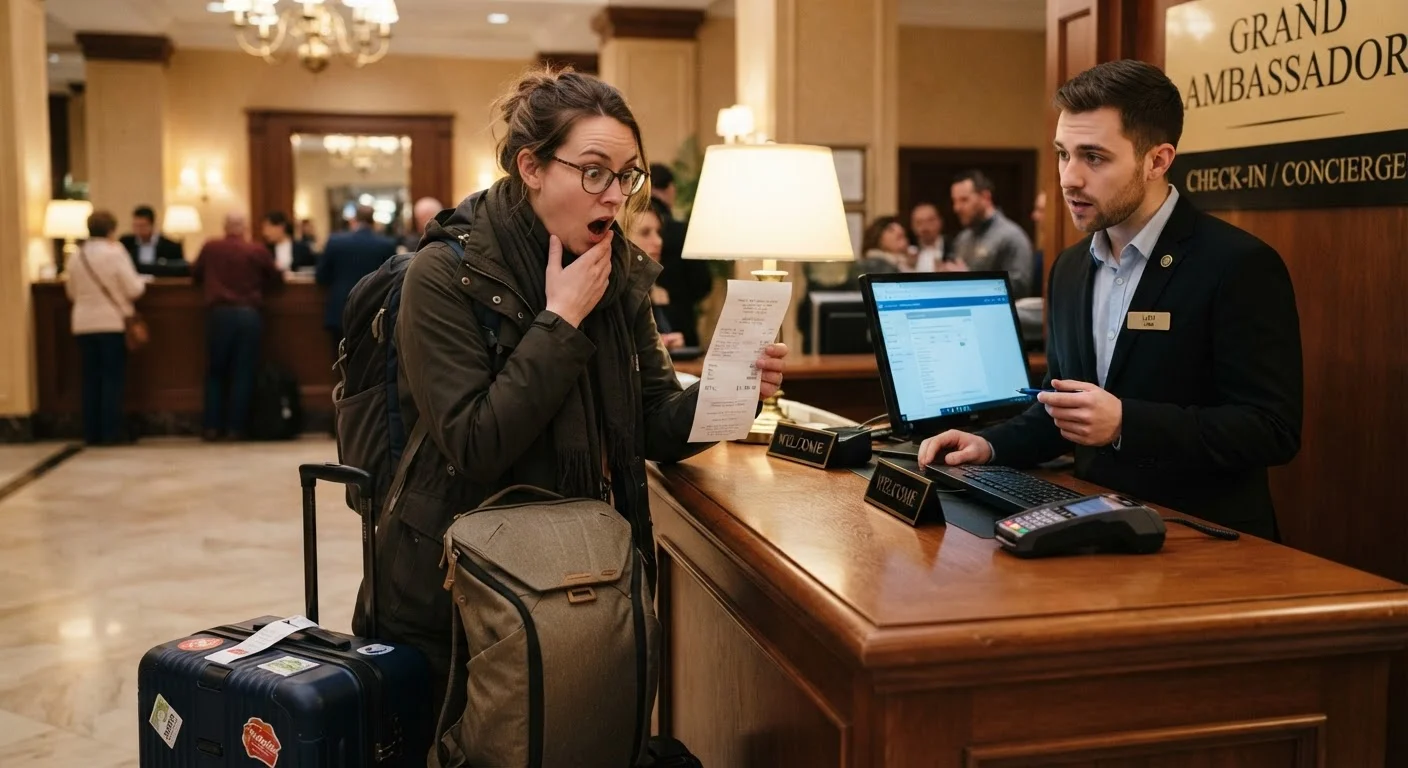
Why the Sticker Price Is Rarely the Full Price
Booking a trip often feels straightforward - flights, hotel, maybe a rental car - until the charges you didn't anticipate start stacking up. Hidden costs don't just sting the wallet; they create stress and erode the enjoyment of travel. The good news is that most of these expenses follow predictable patterns, and knowing what to look for puts you back in control.
This list covers the charges travelers most commonly encounter - and least expect - across accommodations, transportation, currency exchange, and activities. For a broader look at how spending blind spots develop, recognizing common spending patterns is a useful starting point before you build any travel budget.
Mandatory Resort Fees
Many hotels - particularly in destinations like Las Vegas, Miami, and Hawaii - charge a daily resort fee (sometimes called a destination fee or amenity fee) on top of the advertised room rate. These fees, which can range from roughly $20 to over $50 per night, typically bundle access to the pool, Wi-Fi, gym, and other amenities, whether or not you use them.
The fee is usually disclosed in fine print during booking, not on the rate summary card. Before confirming a reservation, search the property name plus "resort fee" or check the full rate breakdown carefully. Some third-party booking platforms do not display these charges until checkout.
Resort fees can add $50 or more per night to a rate that looked reasonable at first glance.
Dynamic Currency Conversion at Point of Sale
When paying by card abroad, merchants and ATMs often offer to charge you in U.S. dollars rather than the local currency - a practice called dynamic currency conversion (DCC). This sounds convenient, but the conversion rate applied is typically set by the merchant and is almost always less favorable than your card issuer's rate.
The general guidance among travel finance experts is to always choose to pay in the local currency and let your card handle the conversion. Accepting DCC hands the exchange rate control to the merchant. This also applies at foreign ATMs that ask whether you'd like to be charged in dollars. Common travel myths around currency exchange often lead travelers to accept DCC without realizing the cost.
Always choose the local currency option at foreign payment terminals to avoid unfavorable merchant exchange rates.
Foreign Transaction Fees on Credit and Debit Cards
Many standard U.S. credit and debit cards charge a foreign transaction fee - commonly 1% to 3% of each purchase - whenever a transaction is processed through a foreign bank. This fee applies even to online purchases made in a foreign currency from home.
If you travel internationally with any frequency, it's worth knowing whether your card carries this fee before you depart. Cards marketed to travelers often waive foreign transaction fees entirely. Check your card's terms and conditions or call your issuer ahead of your trip. These small percentages compound quickly across a week of spending.
Foreign transaction fees of 1-3% accumulate silently across every card purchase made abroad.
Airline Baggage and Seat Selection Fees
Base airfares - especially on budget and ultra-low-cost carriers - often exclude checked baggage, carry-on bags above a small personal item, and even seat selection. A traveler who books a $99 fare may find the real cost climbs to $160 or more once a checked bag and a standard seat assignment are added.
Before booking, review the airline's fee schedule for the specific fare class you're purchasing. Some credit cards include baggage fee waivers for specific airlines as a cardholder benefit. It's also worth noting that seat selection fees vary significantly by seat position - exit rows and seats near the front tend to cost more. Unfamiliar with airline-specific fare terminology? Travel terminology every traveler should recognize can help decode what you're actually purchasing.
Budget airfares can rise by 50% or more once baggage and seat selection fees are added.
Airport Transfer and Parking Costs
Getting to and from the airport is a cost travelers frequently underestimate or omit entirely from their pre-trip budget. Rideshare surge pricing during peak hours, airport taxi flat rates, and parking garage daily fees can each run $30-$80 or more per trip leg, depending on the city and airport.
Long-term airport parking adds up especially fast for trips of a week or more. Off-site parking lots connected by shuttle often offer lower rates, but factor in shuttle time when scheduling. For destinations with reliable transit options, a train or bus connection may dramatically reduce this expense - though this varies significantly by airport and city layout.
Airport transfer and parking expenses can easily add $100-$200 to a trip that wasn't budgeted for them.
City and Tourism Taxes on Accommodations
Most U.S. cities and many international destinations add a hotel occupancy tax, tourism tax, or city fee on top of the room rate. In some major cities, combined lodging taxes can reach 15-25% of the nightly rate. These are legal government-imposed charges, not hotel policies, and they apply regardless of where you booked.
When comparing accommodation costs, always toggle to the "total price" view in search results rather than the per-night base rate. Some booking platforms default to showing rates before taxes and fees, which can make a property appear significantly less expensive than it actually is at checkout.
Lodging taxes in some major cities can add 15-25% above the advertised nightly rate.
Attraction Booking and Service Fees
Popular attractions - from national park permit reservations to museum timed-entry tickets and tour bookings - often carry non-refundable booking or service fees added by the ticketing platform. These fees are separate from the ticket price and typically range from $1 to $5 per ticket, though they can be higher for high-demand events.
National parks with timed-entry systems are a useful example: the recreation permit may cost a few dollars, but the entry fee itself is separate. Understanding what a park entrance fee actually covers can prevent arrival-day confusion - what's covered by a US national park entrance fee is worth reviewing before you go. Booking directly through official venue or park websites when possible may help minimize third-party service charges.
Third-party booking fees are common on attraction tickets and are almost never refundable.
Building a More Honest Travel Budget
Once you know which charges to anticipate, the next step is factoring them into your planning before you book - not after you arrive. Add a line item for each category below when estimating trip costs, and pad your daily spending estimate by at least 15-20% to account for the unexpected. Budgeting daily travel costs more honestly requires accounting for the full picture, not just the headline prices.
Build a Pre-Trip Fee Checklist
Before finalizing any travel booking, create a short checklist: resort fees, baggage allowances, airport transfer costs, lodging taxes, and card foreign transaction fees. A few minutes of research at this stage can prevent hundreds of dollars in surprise charges. Keep a running total of these additions alongside your base booking costs to see your realistic trip price.
Travelers planning more complex itineraries should also review overlooked logistics that derail vacations - from expired IDs to local closures - which pair with financial surprises to create avoidable disruptions.
This article is for general informational purposes only. Fees, policies, and rates vary by provider and destination and are subject to change. Always verify charges directly with your hotel, airline, rental company, or financial institution before traveling.