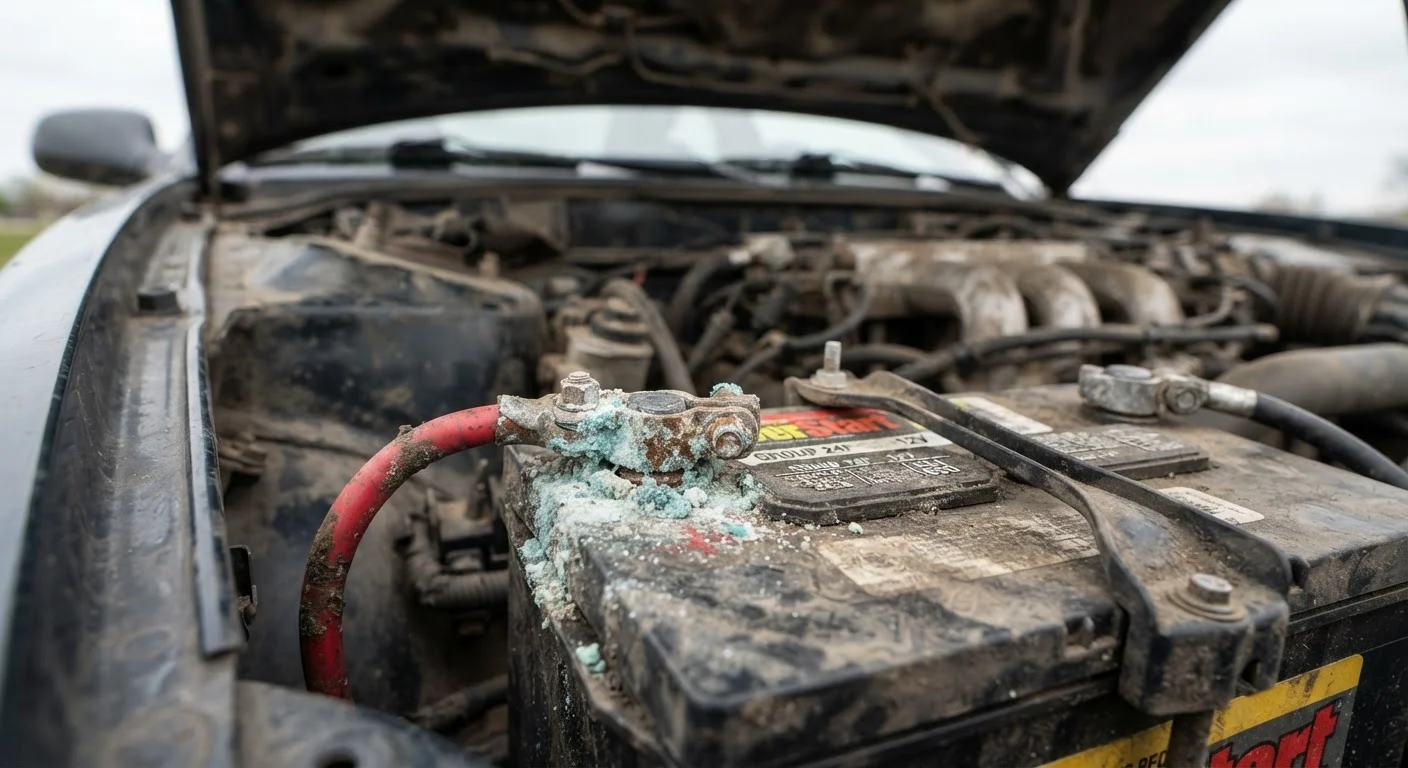
Why Batteries Fail - and Why It Catches Drivers Off Guard
A car battery doesn't usually quit without warning. The problem is that the early signals are easy to dismiss - a slightly sluggish start, lights that seem a touch dimmer than usual. By the time the car refuses to start entirely, most drivers realize the signs were there all along.
Lead-acid batteries (the standard type in most gas-powered vehicles) typically last between three and five years, though climate, driving habits, and how often the vehicle sits unused all influence that range. Extreme heat accelerates internal degradation; extreme cold reduces the battery's ability to deliver sufficient starting current. Short trips that never fully recharge the battery chip away at its capacity over time - a habit explored further in our guide on maintenance habits that quietly shorten a vehicle's lifespan.
The checklist below covers the most common and reliable warning signs. Use it to do a quick audit, especially before a long drive. For a broader pre-trip inspection, see our car preparation checklist for long road trips.
Age and Usage History
Starting Behavior
Electrical and Accessory Performance
Physical Inspection
Dashboard Indicators
What To Do When You Spot the Signs
Identifying the warning signs is only half the job. Once you suspect your battery is declining, the next step is getting a proper load test. Many auto parts stores offer this service at no charge - a load test measures how well the battery holds voltage under the strain of actual starting conditions, which is far more informative than a simple voltage reading.
A Swollen Battery Requires Immediate Attention
A battery with a visibly bloated or deformed case has likely experienced internal damage from overcharging or excessive heat. Do not attempt to charge or jump-start a swollen battery. Have it inspected and removed by a qualified technician, as damaged batteries can leak corrosive fluid or, in rare cases, vent flammable gas.
If the test confirms the battery is weak, replacement is straightforward and often takes under 30 minutes. Keep in mind that a new battery won't fix an underlying charging problem. If your alternator isn't keeping the battery adequately charged, a fresh battery will drain just as fast. Symptoms like recurring dead batteries, dimming lights while driving, or a warning light shaped like a battery icon on your dashboard may point to the alternator rather than the battery itself. Our article on battery, alternator, or starter problems walks through how to distinguish between the three.
When in doubt about any electrical diagnosis or replacement procedure, have a qualified mechanic inspect the system. Automotive electrical components can store significant charge and should be handled carefully.