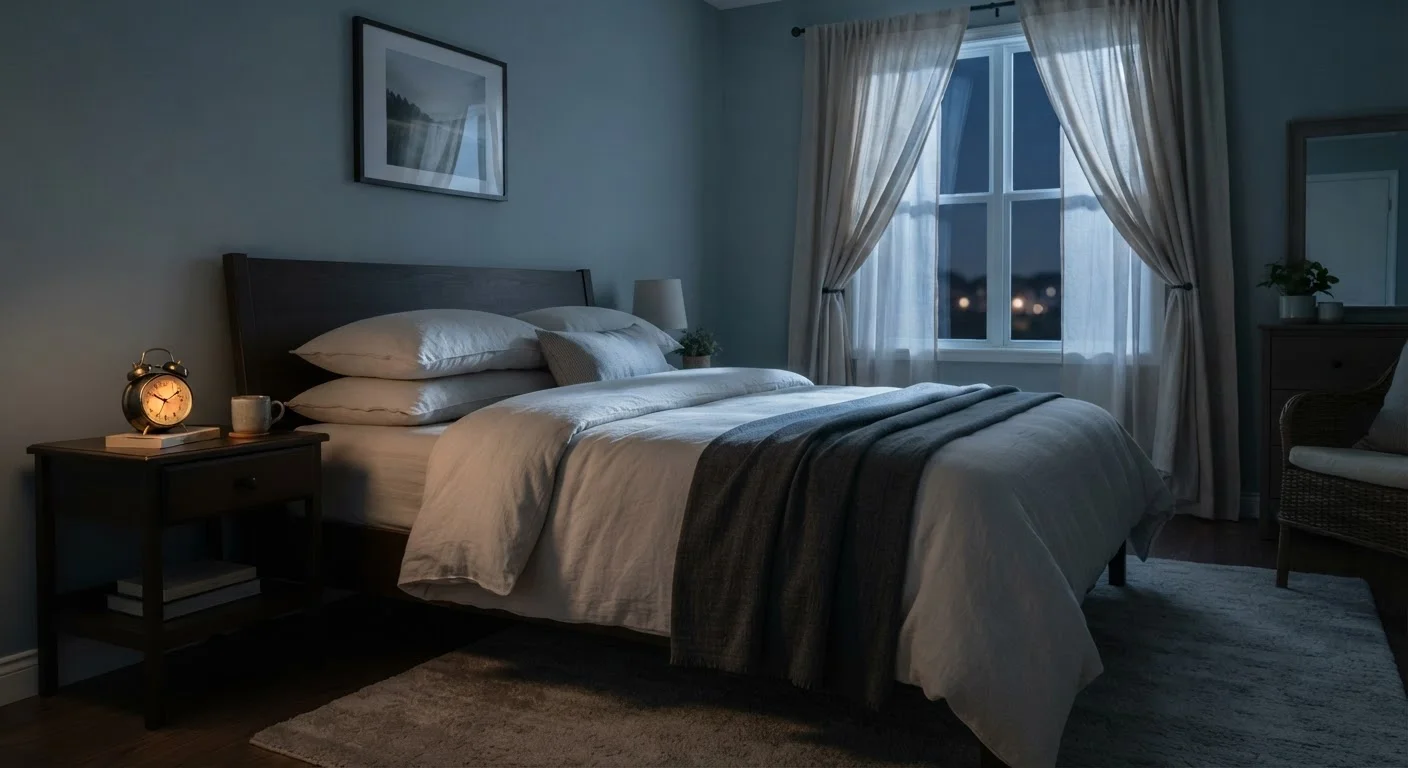
Why Sleep Myths Are More Than Just Harmless Folklore
Sleep is one of the most powerful recovery tools available - yet it remains one of the most misunderstood. Misconceptions about how sleep works don't just clutter social media feeds; they shape real habits that chip away at health over time. When people act on faulty beliefs, they may feel productive while quietly accumulating a sleep deficit that affects mood, cognition, immune function, and metabolic health.
Understanding what sleep science actually shows - rather than what's been repeated so often it feels true - is a meaningful first step toward genuine rest. The myth-fact pairs below address some of the most pervasive sleep beliefs circulating today.
Myth
Everyone needs exactly 8 hours of sleep per night to be healthy.
Fact
Sleep needs vary by individual. Most adults function best with 7-9 hours, but some genuinely need slightly more or less.
The "8 hours" guideline is a population average, not a universal prescription. Age, genetics, activity level, and overall health all influence how much sleep a particular person requires. What matters most is whether you wake feeling rested and can sustain alertness throughout the day without relying on stimulants. Consistently needing an alarm to drag yourself awake, or feeling drowsy mid-afternoon, are more meaningful signals than hitting an exact number. To understand why each hour of sleep counts, see our breakdown of sleep stages and what they do.
Myth
You can catch up on lost sleep by sleeping in on weekends.
Fact
Weekend recovery sleep provides some short-term relief but does not fully reverse the physiological effects of chronic sleep debt.
Research suggests that while extra weekend sleep can reduce subjective sleepiness, it does not completely restore reaction time, metabolic balance, or immune markers that are impaired by a week of insufficient sleep. Irregular sleep timing also disrupts your circadian rhythm - the internal clock governing hormones and alertness - which can make Monday mornings feel like jet lag. Consistency in sleep and wake times is generally more protective than trying to bank or repay sleep in large weekend installments. Napping versus a full night's sleep covers what short daytime rest can and can't compensate for.
Myth
A nightcap helps you sleep better.
Fact
Alcohol may reduce the time it takes to fall asleep, but it suppresses REM sleep and increases nighttime awakenings, reducing overall sleep quality.
Alcohol's sedative effect can feel like a sleep aid in the short term, but as your body metabolizes it during the night, it causes rebound arousal - lighter, more fragmented sleep in the second half of the night. REM sleep, which is critical for emotional regulation and memory processing, is particularly disrupted. People who drink regularly near bedtime often report difficulty falling asleep without alcohol over time, a pattern worth discussing with a healthcare provider. For other habits that quietly undermine rest, see habits that quietly undermine sleep.
Myth
Snoring is just an annoyance - it's not a health concern.
Fact
Frequent or loud snoring can be a symptom of obstructive sleep apnea, a condition associated with serious cardiovascular and metabolic risks.
Obstructive sleep apnea (OSA) involves repeated partial or complete blockage of the airway during sleep, causing brief breathing pauses that fragment sleep and reduce blood oxygen levels. Left unaddressed, OSA is associated with elevated blood pressure, increased cardiovascular risk, and daytime impairment. Snoring alone doesn't confirm OSA, but it warrants evaluation - especially when accompanied by gasping, witnessed breathing pauses, or excessive daytime sleepiness. A sleep study, often conducted with a healthcare provider's referral, can clarify whether an underlying condition is present.
Myth
Falling asleep with the TV on is harmless background noise.
Fact
Light and sound from screens can suppress melatonin, fragment sleep architecture, and reduce the proportion of deep, restorative sleep.
Even low-level light - including the flickering light of a television - can signal to the brain that it's not yet time for deep sleep, suppressing melatonin production. Unpredictable audio from TV programming (volume shifts, dialogue changes) creates micro-arousals that keep the brain in lighter sleep stages. Over time, associating the bedroom with screen stimulation can also weaken the mental cue that bed equals sleep. Optimizing your bedroom environment covers evidence-based adjustments - including light and sound management - that support deeper rest.
Myth
If you can't sleep, it's best to stay in bed and try harder.
Fact
Lying awake in bed for long periods can reinforce anxiety about sleep and weaken the mental association between your bed and actual sleep.
Sleep specialists often recommend a principle called stimulus control: if you haven't fallen asleep within roughly 20 minutes, leaving the bed and doing something calm in dim light - then returning when sleepy - helps preserve the bed as a mental cue for sleep rather than wakefulness. Forcing sleep while anxious tends to increase arousal, making sleep harder, not easier. Caffeine consumed hours before bed compounds this; for context on how long caffeine stays active in your system, see caffeine's long tail and sleep disruption. If insomnia is persistent, cognitive behavioral therapy for insomnia (CBT-I) is a well-supported approach - speak with a healthcare provider for guidance.
What the Research Tells Us About Sleep and Recovery
Sleep isn't a passive state. As detailed in our guide on what actually happens to your body during sleep, your brain and body are actively engaged in tissue repair, memory consolidation, hormone regulation, and immune maintenance across each sleep cycle. Disrupting this process - whether through short nights, poor sleep quality, or misaligned timing - has real, measurable consequences.
1 in 3
U.S. adults not getting enough sleep
According to CDC data, about one-third of American adults regularly sleep fewer than the recommended 7 hours per night.
~38 million
Americans affected by sleep apnea
Estimates from the American Academy of Sleep Medicine suggest sleep apnea affects tens of millions of U.S. adults, many undiagnosed.
5-6 hrs
Sleep linked to impaired immune response
Research published in sleep science literature has associated sleeping fewer than 6 hours with meaningfully reduced immune function compared to 7+ hours.
If you've been functioning on fewer hours than your body needs and wondering why you still feel drained, it may not be about quantity alone. Our article on signs your body isn't recovering even when you sleep enough explores factors beyond duration that affect restoration. For practical steps you can take tonight, see our sleep hygiene fundamentals overview or the wind-down routine guide for building habits that support consistent, quality rest.
This article is for general informational and educational purposes only and is not a substitute for professional medical advice. If you have concerns about your sleep or suspect a sleep disorder, please consult a qualified healthcare provider.