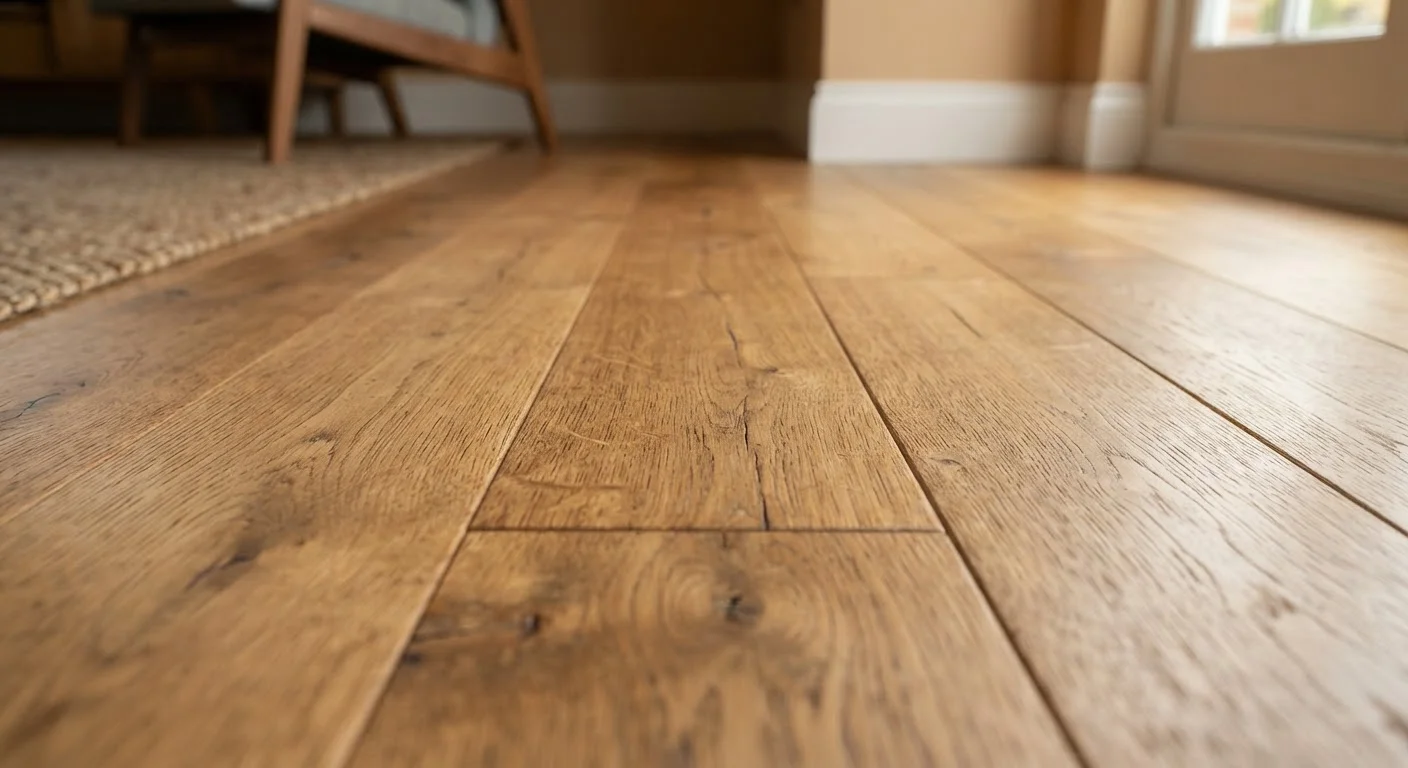
Why Floors Squeak in the First Place
Wood is a living material that expands and contracts in response to moisture and temperature. When boards shift even slightly, they can rub against each other, against nails, or against the subfloor beneath-producing that familiar creak. Understanding what's generating the noise helps you decide whether to grab a tool or call a professional.
The three most common sources of floor squeaks are:
- Board-to-board friction: Tongue-and-groove hardwood planks that have dried and separated rub edges when weight is applied.
- Nail or fastener movement: When nails loosen over time, the board lifts slightly off the joist and squeaks as it settles back down.
- Subfloor movement: Plywood or OSB (oriented strand board) subfloor panels can squeak against joists if the adhesive or fasteners have failed.
Just as a car's warning sounds can range from trivial to urgent-similar to what's described in our guide to vehicle warning noises-floor sounds fall on the same spectrum.
Carpet Can Squeak Too
Squeaks under carpet are almost always caused by the subfloor, not the carpet itself. The carpet simply muffles the sound, which can make pinpointing the source harder. The same causes-loose fasteners, plywood movement against joists-apply equally beneath any flooring type.
Squeaks That Are Usually Harmless
The majority of floor squeaks fall into the nuisance category. These are the characteristics of a low-concern squeak:
- Seasonal pattern: The squeak appears in winter or during dry spells and fades when humidity rises. This is classic wood movement and generally self-correcting.
- Isolated location: One or two specific spots creak underfoot but the surrounding floor feels solid and flat.
- No associated give: The floor doesn't flex or feel springy when you walk over the squeak. The noise is there, but the surface is firm.
- Age-related: Older homes often develop squeaks as joists and boards gradually dry and settle over decades. This is normal aging, not a defect.
These squeaks can often be addressed with simple DIY approaches. From above, driving trim screws at a shallow angle through the finish floor can pull a board tight to the subfloor. Powdered graphite or talcum powder worked between boards can reduce friction without any drilling.
Use a Helper to Locate the Exact Spot
Squeaks can migrate or seem to come from a different spot than where they actually originate. Have one person walk the floor slowly while another watches or listens from below (if accessible). Mark the exact spot with tape before attempting any fix-this saves time and reduces the chance of unnecessary holes in your floor.
Squeaks That Deserve a Closer Look
Some floor noises are worth investigating further, especially when they appear alongside other symptoms. Pay attention if you notice any of the following:
- Soft or spongy spots: If the floor feels like it gives underfoot near the squeak, the subfloor or joists may be compromised-often by moisture damage or rot.
- Visible floor deflection: A floor that visibly dips or sags in a localized area suggests structural concern beyond surface friction.
- Squeaks near plumbing: A creak that develops near a bathroom, kitchen, or utility area-especially after a leak or flood-can indicate moisture-damaged subfloor material.
- Musty or damp smell: Odor combined with a new squeak is a red flag worth investigating promptly. Our article on signs your home is signaling a problem covers several overlapping symptoms.
- Multiple new squeaks appearing together: A sudden cluster of squeaks-especially in a load-bearing area-may reflect joist movement or settlement worth having examined.
In these cases, a licensed contractor or structural inspector can evaluate whether the framing beneath the floor is sound. This is not a situation to defer indefinitely.
DIY Fixes vs. When to Call a Pro
For isolated, dry squeaks with no softness underfoot, homeowners can safely try several approaches:
- From above: Use a stud finder to locate the joist nearest the squeak, then drive a trim screw through the finish floor at an angle to pull the board snug. Pre-drilling prevents splitting.
- From below (if you have basement or crawl space access): Have someone walk the squeaky area while you watch from below. Mark where movement occurs, then secure loose subfloor panels to joists using screws or construction adhesive-but avoid any work involving gas lines or complex structural framing without professional guidance.
- Lubrication: For board-to-board friction, work powdered graphite or talcum powder into the gap with a playing card. This reduces friction without damaging finish.
If the squeak involves soft flooring, visible damage, or you're uncertain what's beneath the surface, stop and consult a qualified professional. Work involving structural members, permits, or hazardous conditions-such as deteriorated joists-should not be a DIY project.
~90%
Floor squeaks caused by friction, not damage
Flooring contractors and inspectors commonly estimate the large majority of residential floor squeaks stem from normal wood movement and loosened fasteners rather than structural issues.
6-12 months
Typical timeframe for moisture damage to worsen
Unaddressed subfloor moisture damage can spread to adjacent joists within months, making early identification of moisture-related squeaks especially important.