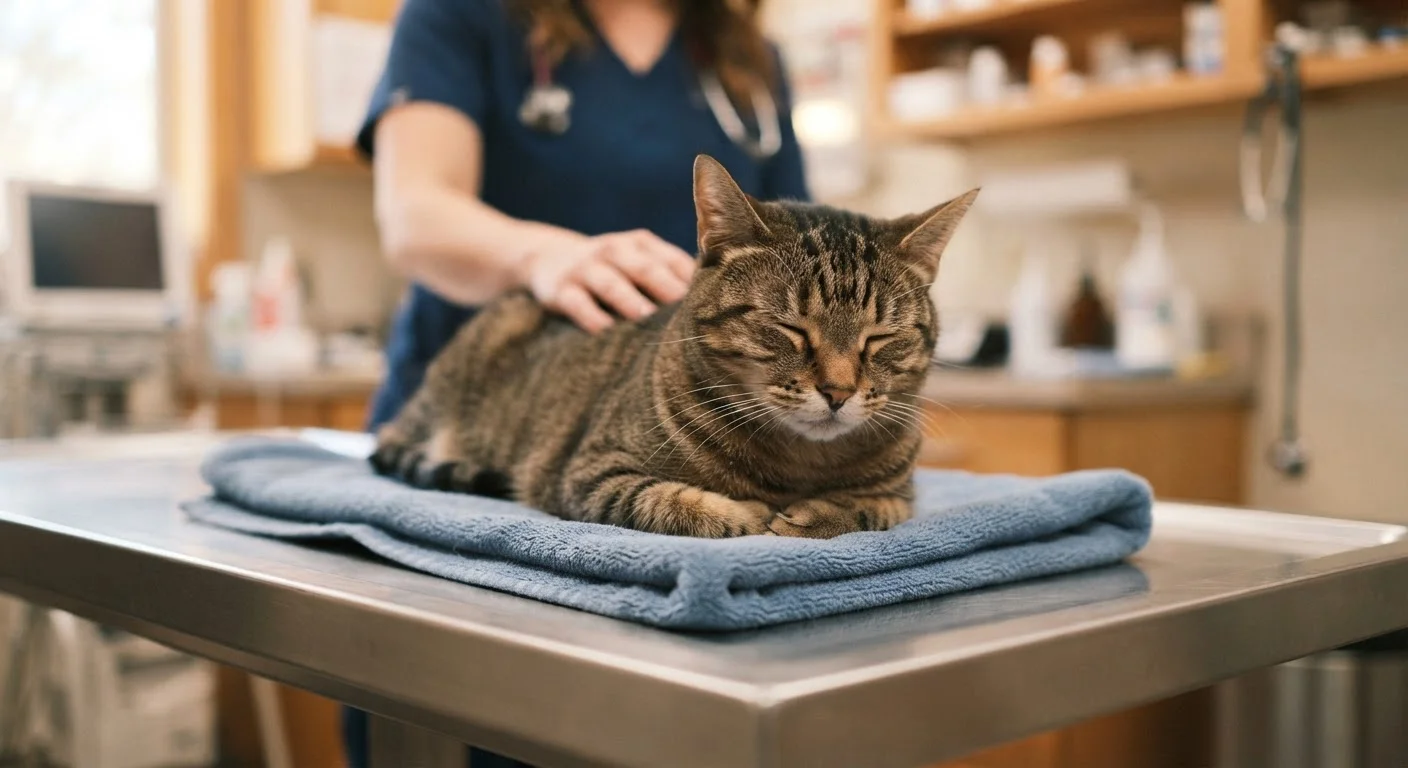
What Spaying and Neutering Actually Involves
Spaying (ovariohysterectomy) is a surgical procedure performed on female cats that removes the ovaries and uterus entirely. Neutering (orchiectomy) is the removal of a male cat's testicles. Both procedures are performed under general anesthesia by a licensed veterinarian and are among the most commonly performed surgeries in small animal practice.
Spaying is a more involved abdominal surgery, while neutering is typically a shorter procedure with a smaller incision. In both cases, cats are monitored closely during and after surgery, and most go home the same day. Pain management is a standard part of modern protocols - your veterinarian will send your cat home with instructions and, in most cases, post-operative pain medication.
Schedule the spay or neuter appointment when you first bring your kitten home - don't wait until behavioral problems emerge or an accidental pregnancy becomes a possibility.
Early scheduling ensures the procedure happens before the first heat cycle, when health benefits are greatest, and removes the risk of owner delay once the cat appears healthy and the urgency feels lower.
Ask your veterinarian specifically what pain management protocol they use post-surgery - adequate multimodal pain control is the standard of care and makes a measurable difference in recovery comfort.
Pain management practices vary between clinics. Proactively asking ensures your cat receives appropriate care and signals that you're an engaged owner who expects high standards.
When Is the Right Time to Spay or Neuter?
The traditional recommendation has been to spay or neuter cats around five to six months of age, before the first heat cycle in females. However, many shelters and clinics now perform the procedure as early as eight weeks in healthy kittens - a practice called pediatric or early-age sterilization - with research supporting its safety.
Your veterinarian will evaluate your individual cat's weight, health status, and breed before recommending exact timing. Large-breed cats or those with underlying health conditions may warrant a different schedule. The key principle is to act before the first heat cycle if possible, since each cycle slightly increases health risks. For guidance on scheduling procedures alongside other preventive care, see our guide to annual vet visits for cats.
Health Benefits Backed by Veterinary Consensus
The health case for sterilization is well-established across veterinary medicine:
- Females: Spaying eliminates the risk of pyometra (a life-threatening uterine infection) and dramatically reduces the risk of mammary (breast) cancer - particularly when done before the first heat cycle.
- Males: Neutering eliminates testicular cancer and reduces the risk of prostate enlargement and certain perianal tumors.
- Both sexes: Sterilized cats that stay indoors face fewer injury risks associated with mating-driven roaming behavior.
~90%
Reduction in mammary cancer risk
Spaying before a female cat's first heat cycle is associated with roughly a 90% reduction in mammary tumor risk, according to veterinary oncology literature.
4-6
Average kittens per litter
Female cats can produce multiple litters per year, making uncontrolled reproduction a rapid contributor to cat overpopulation in communities.
85%+
Males that stop spraying after neutering
Studies in veterinary behavioral medicine suggest the majority of male cats cease urine-marking behavior following neutering, particularly when done at a younger age.
It's worth noting that neutered and spayed cats can have a slightly higher tendency toward weight gain due to metabolic changes. Monitoring diet and maintaining physical activity are straightforward ways to manage this - not reasons to avoid the procedure.
Behavioral Changes to Expect
Many of the most disruptive feline behaviors are hormonally driven and diminish significantly - or disappear entirely - after sterilization.
- Urine spraying: Intact males spray to mark territory. Neutering eliminates this behavior in the majority of cats, especially when done before the habit becomes established.
- Vocalizing and restlessness during heat: Females in heat can vocalize loudly and persistently. Spaying ends heat cycles entirely.
- Roaming and aggression: Both sexes are more likely to stay closer to home and show reduced inter-cat aggression after sterilization.
Sterilization does not change a cat's fundamental personality. Playfulness, affection, and individual temperament remain intact. If you're planning to introduce a sterilized cat to existing pets, our article on introducing a new cat to a household that already has pets covers how to support a smooth transition.
Recovery: What the First Two Weeks Look Like
Most cats recover fully within ten to fourteen days. The first 24-48 hours are the most critical: cats may be groggy, less interested in food, and more sensitive than usual. This is normal and expected.
Key recovery guidelines from veterinary professionals include:
- Keep your cat indoors and restrict jumping or running for at least seven to ten days.
- Check the incision site daily for redness, swelling, discharge, or opening - contact your vet immediately if any of these appear.
- Use an e-collar (cone) or surgical suit as directed to prevent licking the incision.
- Withhold food the night before surgery if instructed; resume feeding gradually afterward per your vet's guidance.
- Attend any scheduled follow-up appointments - suture removal may be needed depending on the closure method used.
Do Not Skip the E-Collar
Even one instance of a cat licking or chewing the incision site can introduce bacteria, cause the wound to open, or delay healing significantly. An e-collar or surgical suit is not optional - it's a critical part of safe recovery. If your cat appears severely distressed by the collar, contact your vet about alternatives rather than removing it unsupervised.
Before your cat comes home from surgery, make sure you have a quiet recovery space ready. Our new cat owner preparation checklist can help you think through the essentials for a safe, comfortable setup.
The Population-Level Case for Sterilization
Cat overpopulation is a well-documented welfare problem across the United States. Unowned and feral cats face significant hardship, and animal shelters consistently report cats as one of their largest intakes.
A single unspayed female cat can go into heat multiple times a year, with litters averaging four to six kittens. Without intervention, the reproductive potential within a cat colony compounds rapidly over just a few years. Sterilization is the most effective, humane tool for stabilizing cat populations at both the household and community level.
Trap-Neuter-Return (TNR) programs - which sterilize feral cats and return them to their colonies - are widely supported by humane organizations as a more effective alternative to lethal control for managing community cat populations.
Common Questions and Misconceptions
A few persistent myths continue to cause owners to hesitate. Here's what the evidence actually shows:
- "My cat should have one litter first."
- There is no medical or behavioral evidence supporting this claim. Spaying before the first heat cycle provides the greatest health benefit and avoids an unplanned litter.
- "Neutering will make my male cat fat and lazy."
- Weight changes are related to caloric intake and activity level - not surgery itself. Managing your cat's diet appropriately prevents this entirely.
- "It's too expensive."
- Many communities offer low-cost or subsidized spay/neuter clinics through local humane societies and nonprofit organizations. Your vet can help identify local resources.
- "Indoor cats don't need it."
- Even strictly indoor cats benefit from the health protections sterilization provides, independent of pregnancy prevention.
This article is for general informational purposes only and does not constitute veterinary medical advice. Always consult a licensed veterinarian for guidance specific to your cat's health and individual needs.