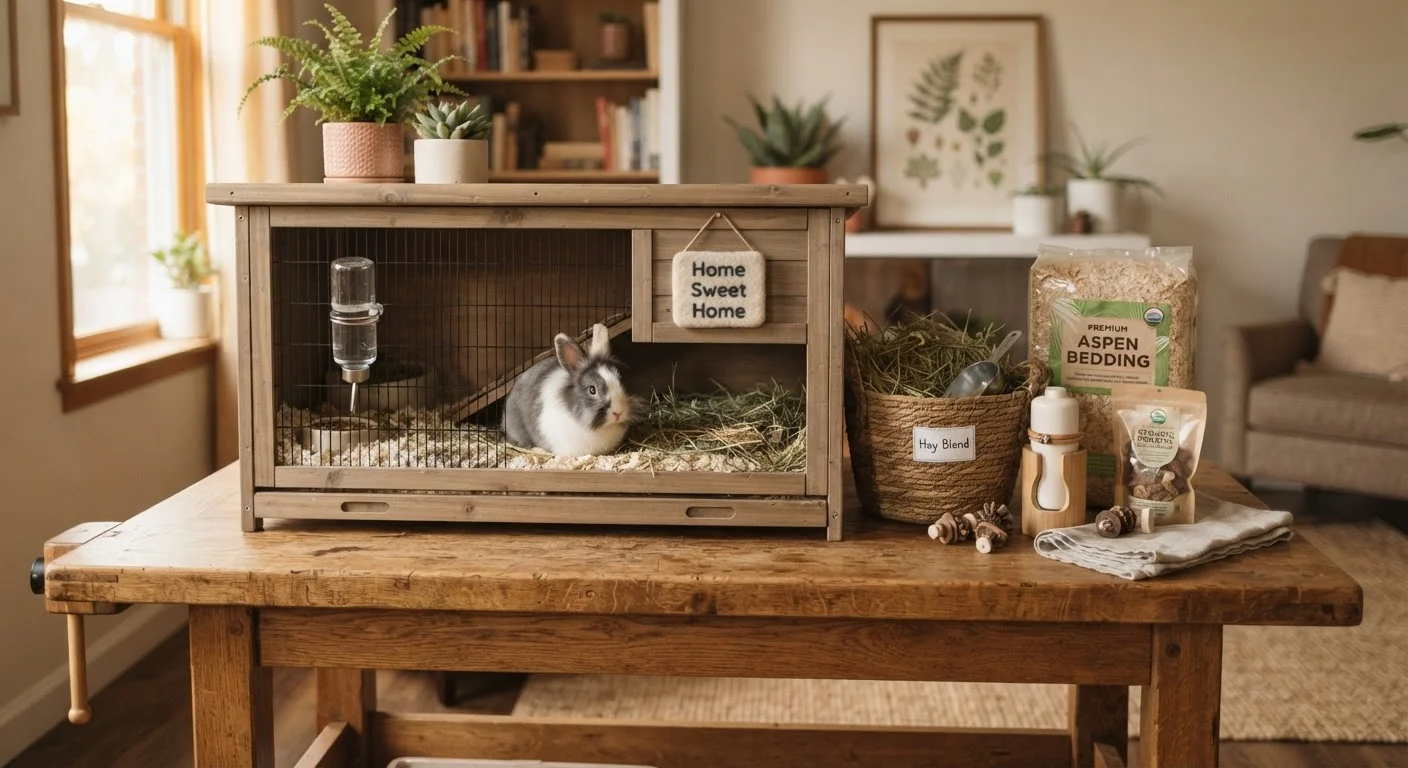
Why Small Pets Require Targeted Preparation
Small pets are often perceived as lower-maintenance than dogs or cats, but this assumption can lead to serious welfare problems. Rabbits, guinea pigs, hamsters, and birds each have distinct dietary requirements, social structures, housing minimums, and health vulnerabilities. A preparation checklist that is too general - or borrowed from dog or cat guides - will leave critical gaps.
Unlike first-time cat setup, small pet preparation demands species-specific knowledge from the start. A guinea pig requires a companion for psychological health; a hamster is typically solitary. A rabbit's gut is fragile and must have unlimited hay before pellets or treats are introduced. These distinctions matter before day one, not after a health crisis prompts a frantic search.
Use this checklist to audit your readiness honestly. Work through each group systematically, confirm you have what is genuinely needed, and consult a qualified exotic animal veterinarian for guidance specific to your species and individual animal.
Find an Exotic Vet Before You Need One
Most general practice veterinarians do not have the training or equipment to treat rabbits, guinea pigs, hamsters, or birds. These animals are classified as exotic patients and require specialists. Searching for an exotic animal vet after your pet falls ill creates dangerous delays - identify your provider now, while there is time.
What to Gather and Set Up Ahead of Arrival
The habitat, food supply, and safety measures must all be in place - and tested - before your pet arrives. Rushing setup on the same day causes stress for both the animal and the owner, and increases the chance of missing something important. Review the tools you will need, then work through the checklist groups below.
Species-Appropriate Enclosure
Provides secure, correctly sized housing that meets your pet's behavioral and physical needs from day one.
Paper-Based Bedding
Offers safe, absorbent substrate for small mammals without the aromatic compounds found in wood shavings.
Sipper Water Bottle or Ceramic Water Bowl
Delivers a clean, accessible water source appropriate to the species and habitat type.
Small Animal Travel Carrier
Safely transports your pet to veterinary appointments or in an emergency situation.
Enrichment Toys (Chews, Tunnels, Foraging Items)
Supports mental stimulation and natural behavior expression, reducing stress and boredom.
Thermometer
Monitors ambient room temperature to ensure the habitat remains within the species-safe range.
Digital Kitchen Scale
Tracks weekly body weight - an early, reliable indicator of illness in most small pets.
Research & Species Knowledge
Habitat Setup
Food, Water & Supplies
Veterinary & Health Preparedness
Home Safety & Hazard Removal
For rabbit owners, diet planning is one of the most consequential preparation steps. Understanding how nutritional needs shift across a rabbit's life will help you avoid common feeding mistakes from the start. Our guide on feeding a pet rabbit at every life stage covers hay ratios, safe greens, and foods to avoid entirely.
Cedar and Pine Bedding Are Not Safe
Cedar and pine wood shavings release phenolic compounds that can damage the respiratory and liver health of small mammals over time. Always choose paper-based or aspen shavings instead. This applies to rabbits, guinea pigs, hamsters, and gerbils equally.
Birds Are Extremely Sensitive to Airborne Toxins
Non-stick (PTFE-coated) cookware heated to high temperatures releases fumes that can be rapidly fatal to pet birds. Scented candles, air fresheners, and aerosol sprays also pose serious risks. Cooking areas and rooms where birds are kept must be carefully managed.
This article provides general educational information for prospective small pet owners and is not a substitute for guidance from a licensed exotic animal veterinarian. Species-specific care needs vary; always consult a qualified professional for advice tailored to your individual animal.