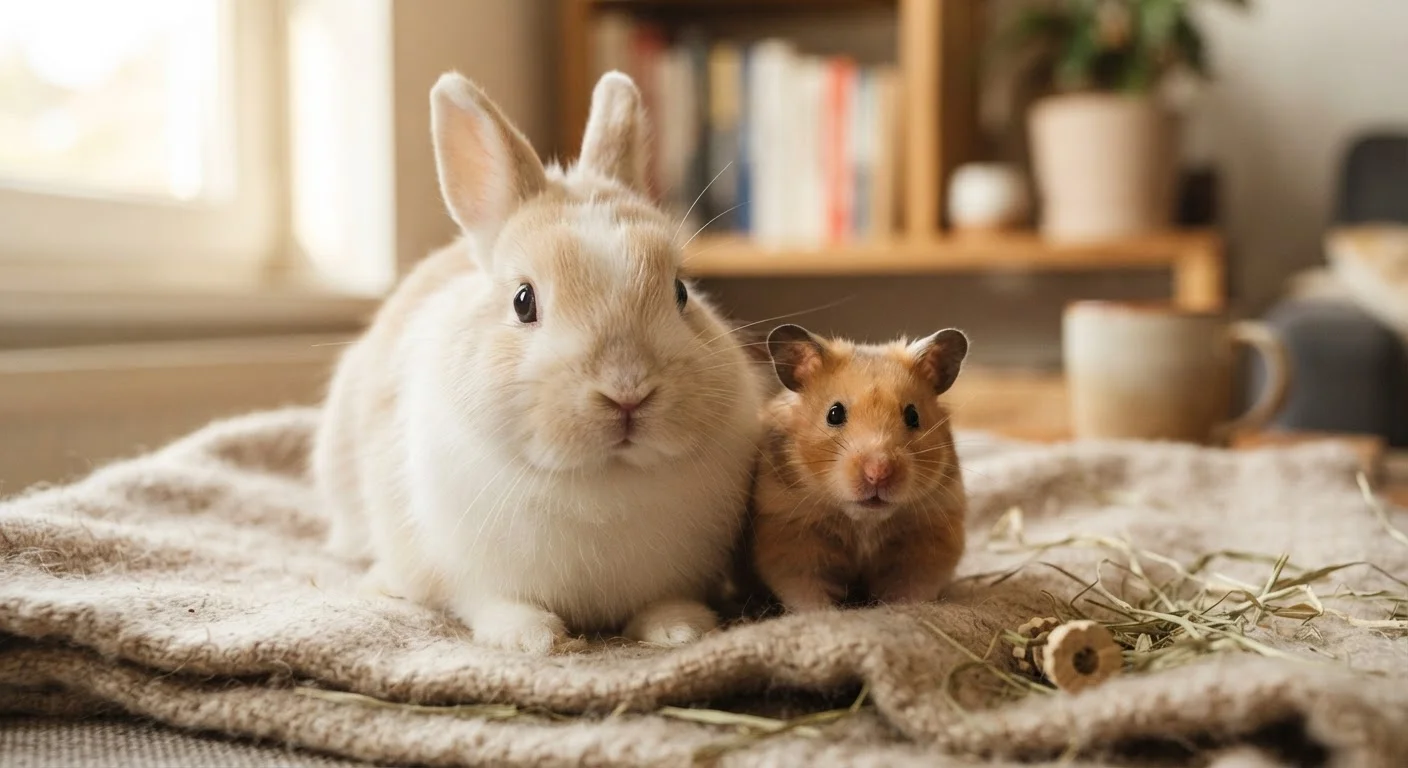
Why Small Pets Are Harder to Read Than Dogs or Cats
Rabbits, guinea pigs, hamsters, gerbils, rats, and birds share a common survival trait: they instinctively hide signs of illness. In the wild, appearing weak invites predation. In your home, that same instinct can delay critical care. By the time a small pet looks obviously sick, the condition may already be advanced.
This is the core challenge for small-pet owners. Unlike dogs - which tend to show pain through behavioral cues owners can learn to recognize - small mammals and birds often give subtler, shorter windows for intervention. Understanding the difference between an emergency and a watch-and-wait situation is one of the most valuable skills you can develop. See also how common myths about small pets can lead owners to underestimate their animals' medical needs.
Emergencies: Go to the Vet Now
The following signs in any small pet warrant same-day or emergency veterinary attention. Do not wait to see if the animal improves on its own.
- Labored or open-mouth breathing: Normal small mammals breathe through their noses. Open-mouth breathing, heaving flanks, or audible wheezing are respiratory emergencies - especially critical in rabbits.
- No fecal output for 12+ hours (rabbits and guinea pigs): These species rely on continuous gut motility. GI stasis - when the digestive system slows or stops - can be fatal within 24 hours without treatment.
- Seizures or loss of coordination: Sudden neurological signs, including circling, head tilting, or falling, require immediate evaluation.
- Bleeding that does not stop: Any uncontrolled external bleeding needs prompt attention regardless of cause.
- Complete collapse or unresponsiveness: A pet that cannot stand, is limp, or does not react to touch is in a critical state.
- Extreme bloating: A visibly distended or hard abdomen, particularly in guinea pigs, rabbits, or rats, can signal life-threatening gas accumulation.
- Sustained hunched posture with teeth grinding: In rabbits and guinea pigs, this combination typically signals severe pain.
Find a Small-Animal or Exotic Vet in Advance
Not all general veterinary practices are equipped to treat rabbits, guinea pigs, or other small mammals and birds. These species are classified as 'exotic' in many clinical settings and require practitioners with specialized training. Locate an exotic-animal vet in your area before an emergency arises - having that contact ready can save critical time when minutes matter.
Schedule a Vet Appointment Soon - But Not an Emergency
Some symptoms indicate a real problem that warrants veterinary care within one to three days - not an emergency room visit, but not something to ignore either.
- Noticeable weight loss: Weigh small pets weekly with a kitchen scale. A loss of 10% or more of body weight over a short period signals an underlying problem.
- Changes in eating or drinking habits: Reduced appetite lasting more than 24 hours, or dramatically increased water intake, should be evaluated.
- Discharge from eyes or nose: Clear discharge may be a minor irritant; cloudy, yellow, or crusted discharge often indicates infection.
- Overgrown or misaligned teeth: Dental problems are extremely common in rabbits and guinea pigs and affect their ability to eat. Drooling, dropping food, or a wet chin are key red flags.
- Dull coat, fur loss, or skin lesions: These can indicate parasites, fungal infection, hormonal imbalance, or nutritional deficiencies.
- Persistent lethargy: A pet that is consistently less active than its normal baseline for more than 24 hours needs a professional assessment.
- Soft or misshapen droppings: Ongoing changes in fecal consistency or size can indicate dietary issues, parasites, or GI disease.
Symptoms That Can Usually Wait - With Monitoring
Not every change means something is seriously wrong, but these situations still deserve careful observation and documentation.
- Single episode of soft stools without other symptoms: A one-off loose stool after a diet change is common. If it persists beyond 48 hours or other symptoms develop, call your vet.
- Mild sneezing without discharge: Occasional sneezing, especially in a new environment, may be a response to dust or bedding. Persistent sneezing or sneezing with discharge elevates the concern.
- Brief reduction in activity after a stressful event: Rehoming, loud noise, or handling stress can temporarily reduce activity. If the pet returns to normal within a few hours and resumes eating, it is generally reassuring.
When in doubt, a phone call or telehealth consultation with an exotic or small-animal veterinarian can help you decide whether to come in. Many small-pet owners find it helpful to keep a simple health log - noting weight, food intake, and droppings - so they can spot trends early and communicate them clearly. This approach mirrors the preparation strategies used for routine vet visits in dogs.
GI stasis
A condition in which the gastrointestinal tract slows or stops moving, most commonly seen in rabbits and guinea pigs. It can become life-threatening within hours and is a veterinary emergency.
Exotic veterinarian
A veterinarian with training and experience treating animals other than dogs and cats, including rabbits, guinea pigs, birds, reptiles, and other small mammals.
Gut motility
The movement of food and waste through the digestive tract. In small herbivores like rabbits, continuous gut motility is essential for survival.
Malocclusion
Misalignment of the teeth that prevents normal chewing. It is a common dental problem in rabbits and guinea pigs and can lead to inability to eat if untreated.
This article provides general educational information about small pet health. It is not a substitute for professional veterinary advice, diagnosis, or treatment. Always consult a qualified veterinarian for guidance specific to your animal's species, age, and health status.