Understanding What You're Working With
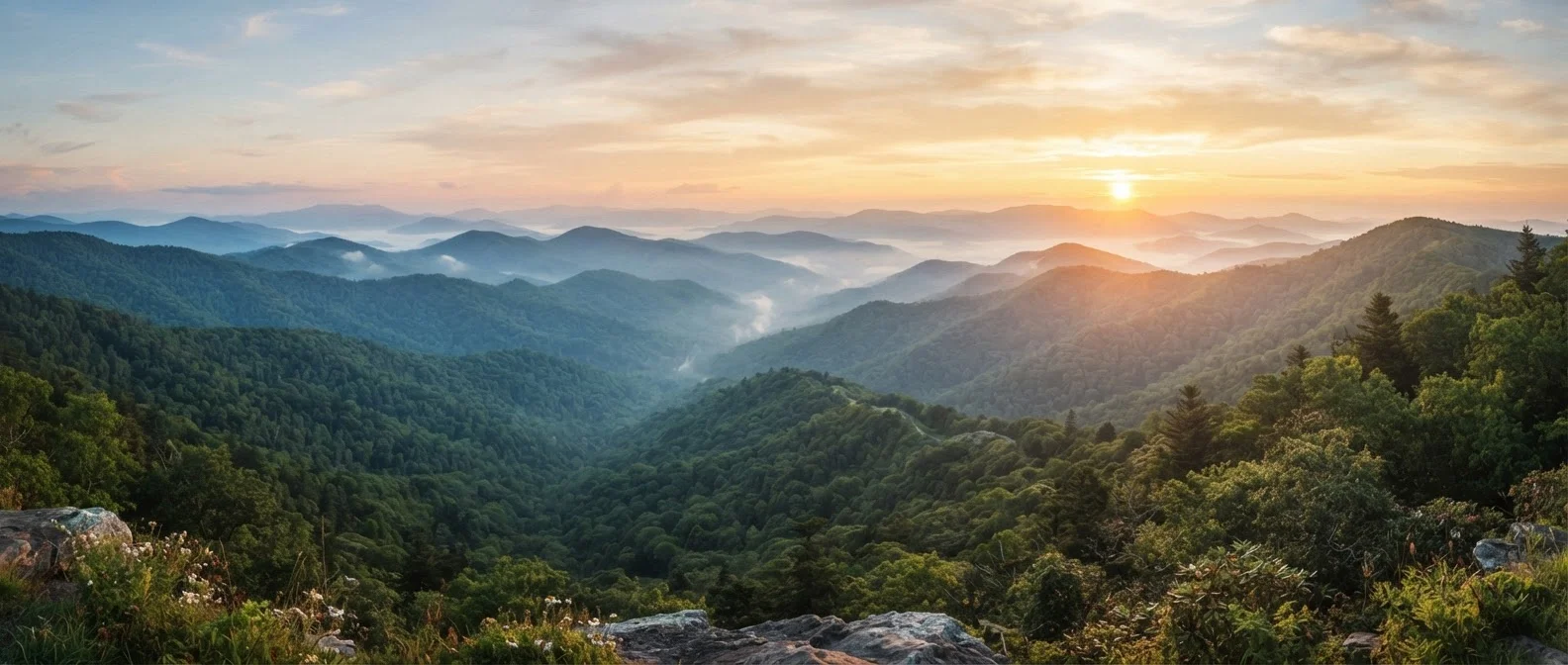
Great Smoky Mountains National Park consistently ranks as the most visited national park in the United States, drawing millions of visitors annually. A long weekend - typically Friday through Monday - is enough time to experience the park meaningfully, but only if expectations are set correctly from the start.
The park spans roughly 520,000 acres across the Tennessee-North Carolina border. Key areas like Cades Cove, Clingmans Dome, and the Alum Cave Trail each have distinct characters and access considerations. Trying to see everything in three days will leave you feeling rushed and stuck in traffic. Instead, choose one or two anchor experiences and build your itinerary outward from those.
For structured planning guidance, our trip itinerary walkthrough helps first-time planners sequence activities and travel days into a coherent visit. Check permit requirements and any seasonal road closures directly with the National Park Service before departure.
Entry Fees and Permit Requirements
Great Smoky Mountains National Park does not charge a standard vehicle entry fee, which is unusual among major national parks. However, a parking permit (Smokies Parking Tag) is required at most trailheads and can be purchased through Recreation.gov or at self-service kiosks near park entrances. Requirements and fees can change, so verify current rules with the National Park Service before your trip.
Best Practices for the Smokies
The following practices reflect what experienced visitors consistently report as the difference between a frustrating trip and a rewarding one. Each addresses a real, recurring challenge specific to this destination.
Arrive Thursday evening and start your first full day Friday before 8 a.m.
Weekend traffic to the park peaks Saturday midday, making parking at popular trailheads effectively impossible without an early start. Arriving Thursday positions you to claim spots before the main weekend surge begins. Parking lots at Alum Cave and Laurel Falls routinely fill before 9 a.m. on peak weekends.
Select hikes that match your actual fitness level, not your aspirational one.
The Smokies' elevation gains are deceptively steep. A trail listed as 4 miles round-trip may involve 1,500 feet of climbing on uneven root-covered terrain. Overestimating your group's capacity on day one leads to soreness or injury that compromises the rest of the trip.
Check road and area conditions with the National Park Service at least 48 hours before each planned activity.
Seasonal road closures, weather events, and maintenance work can close key corridors with little public notice. Clingmans Dome Road, for example, closes in winter and may be gated during severe weather at other times. Verifying conditions prevents wasted driving time.
Build at least one unscheduled half-day into your itinerary.
Weather, unexpected trail closures, and the simple appeal of lingering somewhere beautiful all argue for slack in your schedule. Rigid itineraries in mountain environments create stress and lead to poor decisions - pushing a hike in deteriorating weather to stay "on plan," for instance.
Pack layered clothing regardless of the season and forecast.
Elevation changes across the park create dramatically different microclimates. A warm, clear morning in Gatlinburg can coincide with cold drizzle at Clingmans Dome summit. Rain gear and a mid-layer are not optional - they determine whether an unexpected weather shift is an inconvenience or an emergency.
Quick Wins Before You Leave Home
Several of the most impactful decisions for a Smoky Mountains trip happen before you load the car. Acting on these early removes the biggest sources of friction once you arrive.
For a broader look at the overlooked logistics that can quietly derail even well-intentioned trips, see our article on trip planning details that catch travelers off guard.
Getting the Balance Right
One of the most common mistakes short-trip visitors make is spending every available hour inside the park and missing what the surrounding communities offer. Gateway towns like Gatlinburg and Bryson City provide local restaurants, outfitters, and cultural context that round out the experience considerably.
A practical three-day rhythm: use your first full day for a longer hike or drive into the park's interior; spend the second day exploring a gateway community and doing a shorter, scenic walk; reserve your final morning for an early return to a favorite spot before departure. This rhythm respects both the park's scale and your energy.
If the Smokies are part of a longer drive, our road trip planning guide covers how to fit a national park stop into a broader route without losing momentum. Travelers interested in the regional trail network may also find value in our guide to Appalachian Trail towns, which covers communities adjacent to the park corridor.
12M+
Annual visitors to Great Smoky Mountains National Park
According to the National Park Service, the Smokies regularly receive more visitors than any other national park in the United States.
800+
Miles of maintained hiking trails in the park
The National Park Service maintains an extensive trail network ranging from paved, accessible paths to strenuous backcountry routes.