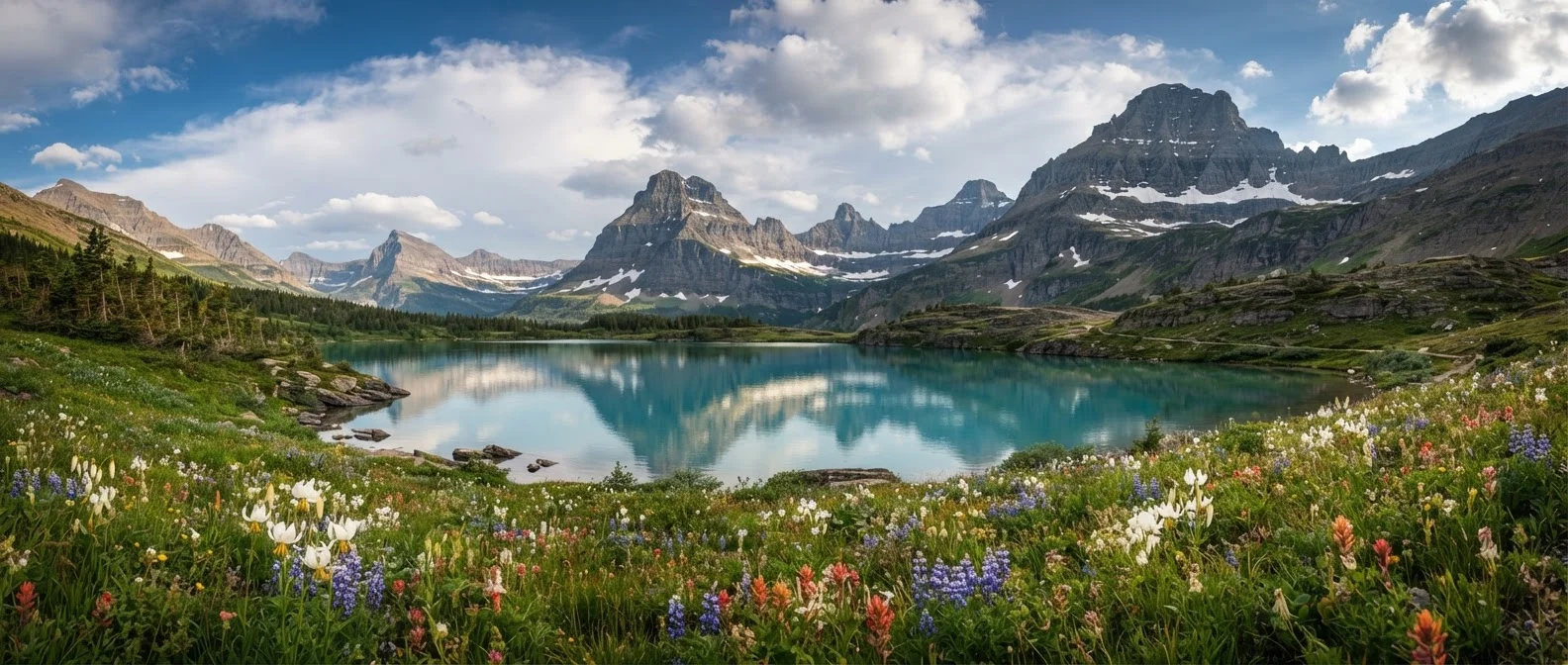
What Glacier Really Demands of Visitors
Glacier National Park sits in the Northern Rockies of Montana, bordering Canada, and covers more than one million acres of wilderness. It offers some of the most dramatic scenery in the continental United States - but it also presents logistical challenges that catch underprepared visitors off guard every season.
The park is not a place you can simply show up to and improvise. Timed entry permits, limited lodging, unpredictable weather, active wildlife, and seasonal road closures all shape the experience in ways a quick internet search often misses. This briefing is designed to close that gap.
Whether this is your first national park trip or your tenth, working through this checklist before you book anything will save significant frustration. You may also want to review the overlooked logistics that quietly derail vacations - several apply directly to Glacier.
Permits and Entry
Lodging and Campsite Reservations
Road and Trail Conditions
Wildlife and Safety Preparation
Smoke, Air Quality, and Weather Readiness
Tools and Resources You'll Need
Planning a Glacier trip draws on a handful of specific sources. The park's official channels are the most reliable; third-party booking aggregators often lag behind policy changes.
NPS Glacier National Park Website (nps.gov/glac)
The official source for permit reservations, road conditions, trail closures, and fee information - check it frequently as conditions change.
Recreation.gov
Used to reserve campsites and, in some seasons, vehicle permits for Going-to-the-Sun Road.
AirNow.gov
Tracks real-time air quality conditions, essential for monitoring wildfire smoke impact on the park.
NOAA Mountain Weather Forecast
Provides elevation-specific forecasts for Glacier's alpine terrain, more accurate than general regional forecasts.
Bear Spray (canister)
Strongly recommended safety equipment for all trail users; available for rent or purchase in gateway towns near the park.
Paper or downloaded offline map
Cell service is limited or nonexistent in much of the park - a physical or downloaded map is essential for navigation.
Once you've gathered your resources, the pre-trip planning checklist is a useful companion to ensure no general travel document or safety step falls through the cracks alongside these park-specific requirements.
The Realities of Smoke Season and Weather
Many visitors picture Glacier under clear blue skies. That's accurate - for roughly half the summer. The other half can look quite different.
Wildfire smoke from fires burning anywhere in the Pacific Northwest or interior West can settle into the park's valleys for days or weeks at a time, typically between mid-July and mid-September. On heavy smoke days, iconic views disappear, air quality can reach unhealthy levels for sensitive groups, and the experience changes substantially from what brochures show.
Smoke Can Significantly Change Your Trip
Wildfire smoke is not a rare edge case at Glacier - it's a regular seasonal condition. During heavy smoke events, air quality can reach levels that are unhealthy for sensitive groups, including people with asthma, heart conditions, or respiratory issues. If your trip falls between mid-July and mid-September, build flexibility into your plans and monitor air quality in the days leading up to your visit. Travelers with health sensitivities should consult a healthcare provider before planning a trip during peak smoke season.
Even without smoke, Glacier's weather is famously variable. Afternoon thunderstorms are common in summer. Snow can fall on mountain passes in any month. Temperatures at the trailheads on the valley floor may be 30°F warmer than at a high-altitude destination like Logan Pass. Layering is not optional - it's essential.
For visitors weighing where to stay relative to park entrances, see our guide on urban vs. rural national park gateways - the choice between Whitefish, Kalispell, and the West Glacier gateway towns has real consequences for your daily routine inside the park.
Before You Finalize Your Plans
Once you've worked through this checklist and confirmed your permits, lodging, and gear, the next step is shaping your days. See how to build a trip itinerary from scratch for a practical framework on sequencing your Glacier activities across available days - especially useful if you're balancing multiple trailheads, scenic drives, and rest days.
The Trip Planning hub also collects additional resources for first-time national park visitors and experienced travelers alike.
Don't Rely on Cell Service Inside the Park
Cell coverage inside Glacier National Park is minimal to nonexistent across most of the interior. Do not assume you can navigate, look up trail conditions, or call for help using your smartphone once you're on the road or trail. Download offline maps, save park phone numbers, and carry written copies of your reservations and itinerary before you leave your lodging each day.