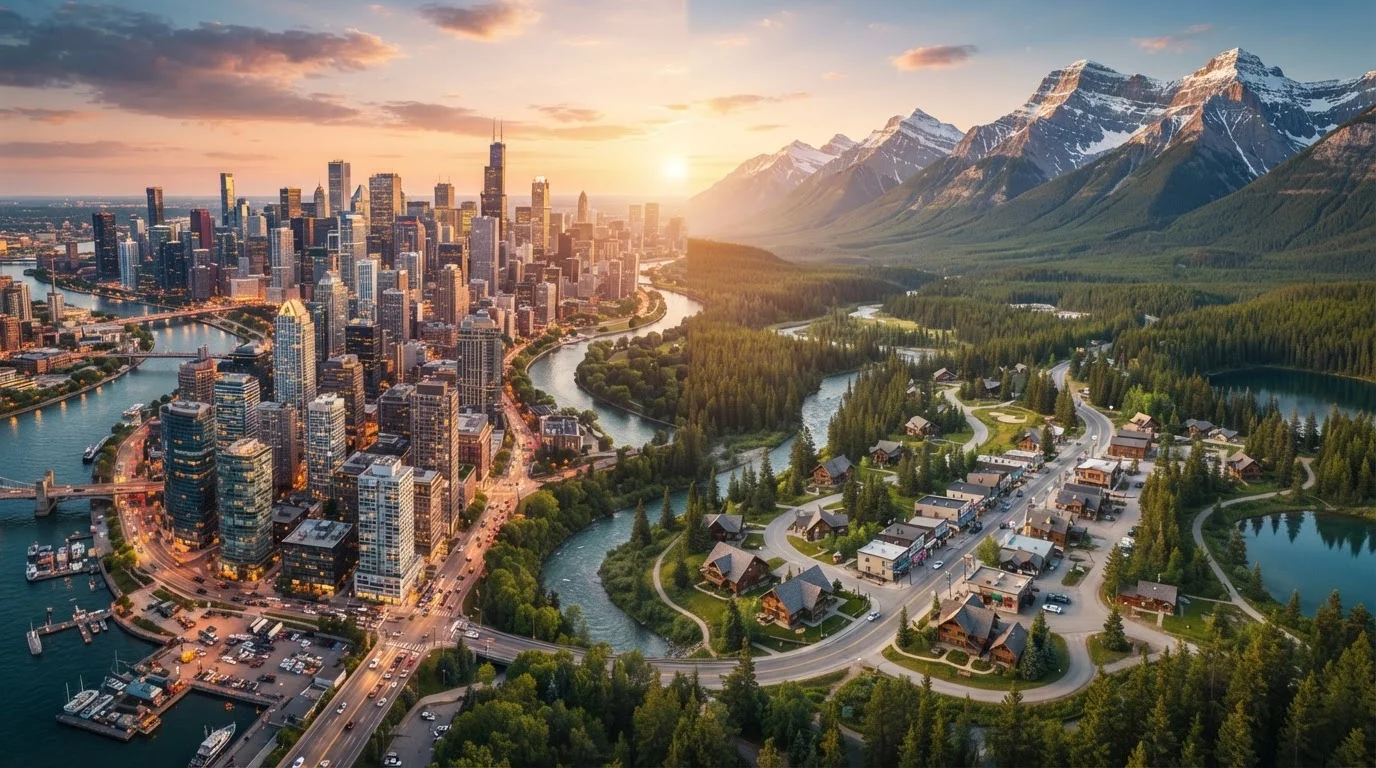
What Makes a Gateway 'Urban' or 'Rural'?
A rural gateway town sits directly at or within a short drive of a national park entrance - think of small communities that exist largely because of the park nearby. These towns typically have a handful of motels, outfitters, and diners, but limited infrastructure beyond that.
An urban gateway is a mid-size or large city located within a few hours of the park. It has its own economy, diverse lodging, airports, and restaurants that cater to far more than park visitors. Examples include cities that serve as regional hubs while also acting as launch points for nearby protected lands.
Understanding this distinction matters for trip planning because the gap between those two settings affects nearly every practical decision you'll make - from what time you wake up to how much you spend on dinner.
The Case for Staying in a Rural Gateway Town
Proximity is the most obvious advantage. Staying in a rural gateway town often means you're minutes from the park entrance, not hours. That matters enormously if you want to catch sunrise at a popular overlook, beat shuttle queues, or simply maximize time on the trail rather than in a car.
Rural towns also tend to offer a more authentic sense of place. Local outfitters, longtime residents, and park-adjacent culture give these spots a character that larger cities don't replicate. If your goal is to feel connected to the landscape from the moment you step outside your door, a gateway town delivers that.
Book Rural Lodging as Early as Possible
Gateway town accommodations near popular national parks can sell out six months to a year ahead of peak season. If a rural base is your preference, prioritize locking in lodging before finalizing any other aspect of your trip. Check the park's official site for any affiliated lodges or campgrounds, which are often managed through a separate reservation system.
There are real tradeoffs to consider, however. Lodging in gateway towns books up extremely early - sometimes six months to a year in advance for peak season - and cancellations are less common than in cities. Dining options are often limited to a few spots, which may close early or go dark entirely in shoulder season. If you or someone in your travel party has specific dietary needs or requires nearby medical facilities, that's worth factoring in carefully. See our overlooked trip planning details for more on logistics that catch travelers off guard.
The Case for Staying in an Urban Gateway
Urban gateways give you options - a wide range of lodging at different price points, dozens of restaurants, access to grocery stores and pharmacies, and proximity to airports if your schedule changes. For families with children, solo travelers, or anyone who values a safety net, that flexibility has real value.
Larger cities near parks also frequently offer shuttle or transit services that reduce the need to drive into congested park corridors. Some parks operate reservation-only vehicle systems where shuttles from regional transit hubs are actually the most practical way in.
| Urban Gateway City | Rural Gateway Town | |
|---|---|---|
| Distance to park entrance | Often 1-3 hours away | Minutes to 30 minutes |
| Lodging availability | High, with varied price points | Limited; books far in advance |
| Dining and amenities | Extensive options | Few restaurants, limited hours |
| Medical and emergency access | Hospitals and urgent care nearby | Often remote, limited services |
| Early-morning park access | Requires long pre-dawn drive | Easy, minimal commute |
| Sense of place / immersion | City feel, removed from park | Connected to park landscape |
| Flexibility if plans change | High - many backup options | Low - fewer alternatives |
The downside is the commute. Driving an hour or more each way cuts significantly into your park time, particularly if you're planning multiple day trips. Early-morning starts become harder when you're navigating pre-dawn highway miles. Urban lodging can also carry higher nightly rates during peak travel periods, though more availability means better odds of finding something if you're booking late. Understanding what's covered by park fees before you go - including shuttle access - can help you plan around these logistics. Our guide to national park entrance fees breaks this down clearly.
Key Factors to Weigh Before You Book
Rather than defaulting to one type of gateway, work through these questions to find your fit:
- Drive time to the entrance: Calculate the realistic round-trip time for each day of your visit, not just one way.
- Park entry method: Some parks require timed entry permits or use mandatory shuttles. Verify current requirements on the official NPS website before assuming you can drive in freely.
- Length of stay: A one-night trip favors rural proximity; a week-long trip may benefit from the amenities of a city base.
- Travel party needs: Medical access, dietary restrictions, and accessibility requirements often point toward urban hubs.
- Flexibility vs. structure: If you prefer a flexible itinerary over a locked-in schedule, urban bases give you more room to adapt.
Costs deserve honest attention too. A rural cabin closer to the park might appear cheaper per night but could charge premium rates during high season with no alternatives nearby if it fills. An urban hotel might cost more on paper but offer last-minute deals or loyalty program pricing.
Finally, check road and weather conditions. Rural access roads can close with little notice due to snow, flooding, or fire. Always verify current conditions through official park and state DOT sources - not travel blogs - before you depart. These are exactly the kinds of details covered in our travel tips hub.