What High Elevation Actually Means for Your Body
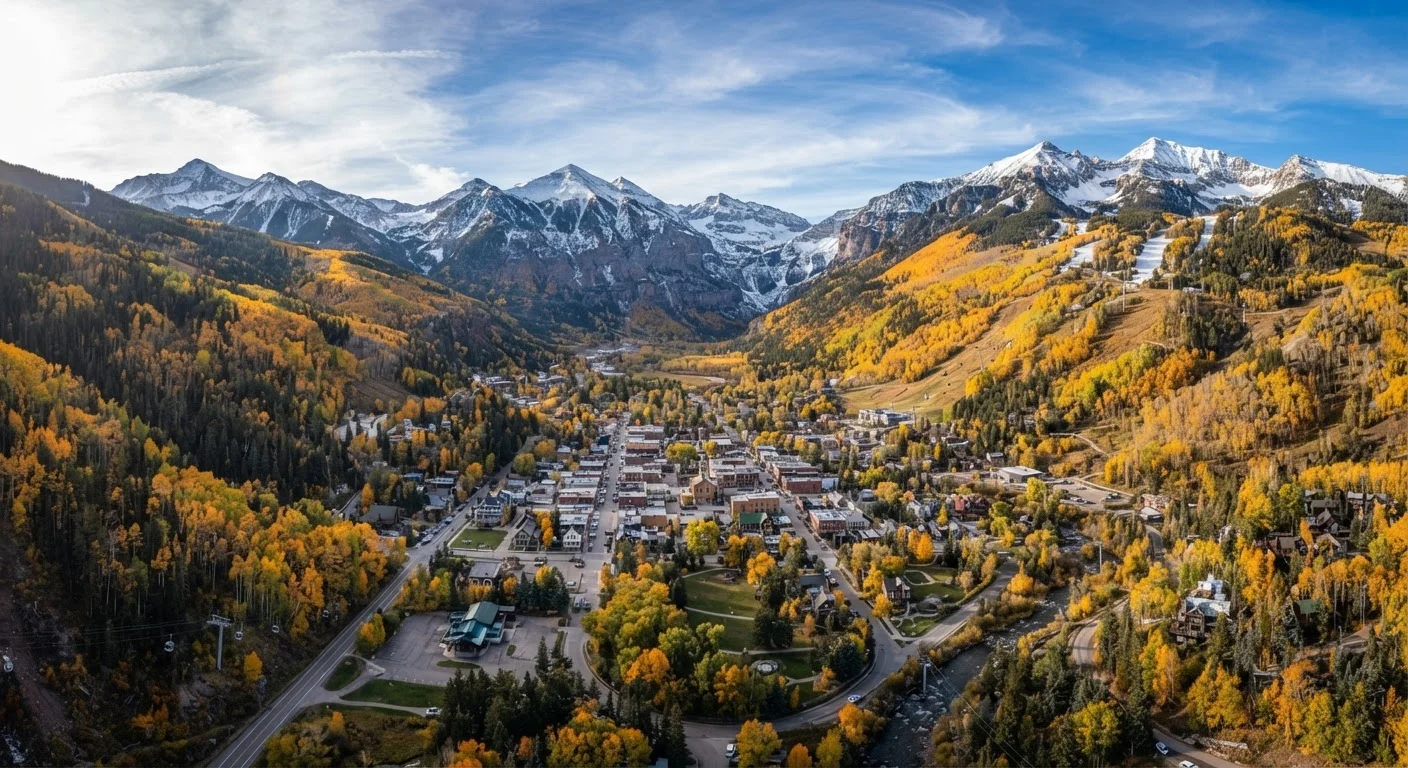
When you arrive in a Colorado mountain town - whether it's Breckenridge at 9,600 feet, Telluride at 8,750 feet, or Estes Park at 7,500 feet - your body immediately begins working harder than it does at lower elevations. The air is thinner, meaning each breath delivers less oxygen to your bloodstream. Your heart rate and breathing rate naturally increase to compensate, even if you're just sitting still.
For most healthy adults, the early signs of this adjustment are subtle: mild fatigue, a dull headache, or feeling winded on a short walk. These are the body's normal responses to reduced oxygen availability, not necessarily signs of a medical problem. The challenge is that visitors often arrive energized and eager to ski, hike, or explore - and overexertion in the first 24 to 48 hours frequently makes symptoms worse.
~25%
Visitors who develop altitude sickness above 8,000 ft
Research published in travel medicine literature suggests roughly one in four visitors to elevations above 8,000 feet experiences some form of acute mountain sickness.
10,152 ft
Elevation of Leadville, Colorado
Leadville is the highest incorporated city in the United States, making it one of the most dramatic elevation jumps a visitor can make in a short drive.
~30%
Reduction in oxygen pressure at 10,000 feet
At 10,000 feet above sea level, the partial pressure of oxygen is approximately 30% lower than at sea level, directly reducing how much oxygen enters the bloodstream per breath.
Common Symptoms Visitors Experience
Acute mountain sickness affects a significant portion of visitors who travel quickly to elevations above 8,000 feet. The most reported symptoms include:
- Headache - the hallmark symptom, often described as a dull pressure behind the eyes or across the forehead
- Fatigue and weakness - even light tasks can feel more effortful than expected
- Nausea - occasionally accompanied by loss of appetite
- Dizziness or lightheadedness - especially when standing quickly
- Disrupted sleep - many visitors report waking frequently or breathing irregularly during sleep
Symptoms typically peak in the first one to two days and ease gradually as acclimatization progresses. If they worsen after 48 hours - or if you experience confusion, loss of coordination, or severe breathlessness at rest - descending to a lower elevation and seeking medical attention is the appropriate step.
Give Yourself at Least One Rest Day
Plan your itinerary so that your first full day in a Colorado mountain town involves minimal exertion - short walks, meals, and exploring town rather than hitting the trails or slopes. Most visitors find their second and third days feel significantly better than the first, and the activities they came for are more enjoyable once the body has had time to begin adjusting.
How Altitude Changes Everyday Activities
Beyond physical symptoms, altitude subtly changes several everyday experiences that visitors don't always anticipate.
Sun intensity: The thinner atmosphere at high elevation filters less ultraviolet radiation. Sunburn happens faster than at sea level, even on overcast days. Sunscreen with high SPF, sunglasses, and protective clothing matter more in the mountains.
Alcohol tolerance: Alcohol's effects are amplified at altitude. Dehydration is already a factor, and reduced oxygen availability means your body processes alcohol differently. Many visitors find they feel the effects of one drink more than they would at home.
Physical performance: Runners, cyclists, and hikers consistently perform at lower output levels at altitude - a well-documented physiological reality. Pace goals and exertion expectations should be adjusted accordingly, particularly for the first few days.
Cooking and baking: Water boils at lower temperatures at altitude, which affects cooking times and baking chemistry. This is a small but real quirk of mountain-town kitchens.
For a point of comparison, the experience of visiting lower-elevation destinations - like the trail towns covered in our guide to Appalachian Trail towns - illustrates how different elevation profiles shape an entirely different set of visitor considerations.
Practical Steps for a Smoother Adjustment
Most visitors who plan thoughtfully adjust without serious difficulty. Here are the approaches most commonly recommended by travel health professionals and altitude researchers:
- Ascend gradually when possible. If you're flying into Denver and then driving up, consider spending a night in Denver before heading to higher elevations. The gradual gain gives your body a head start.
- Stay hydrated. Drink water consistently throughout the day. The dry mountain air and elevated breathing rate both accelerate fluid loss.
- Limit alcohol and caffeine in the first 24 to 48 hours, as both can contribute to dehydration and disrupt sleep.
- Avoid heavy exertion on day one. A gentle walk is fine. Save the ambitious hike for day two or three.
- Sleep at a lower elevation if possible. Some visitors base themselves in lower towns and day-trip upward - a strategy that meaningfully reduces overnight exposure to high altitude.
This article is for general informational purposes only and is not medical advice. Travelers with pre-existing health conditions, pregnant travelers, or those with concerns about altitude illness should consult a qualified healthcare professional before visiting high-elevation destinations.