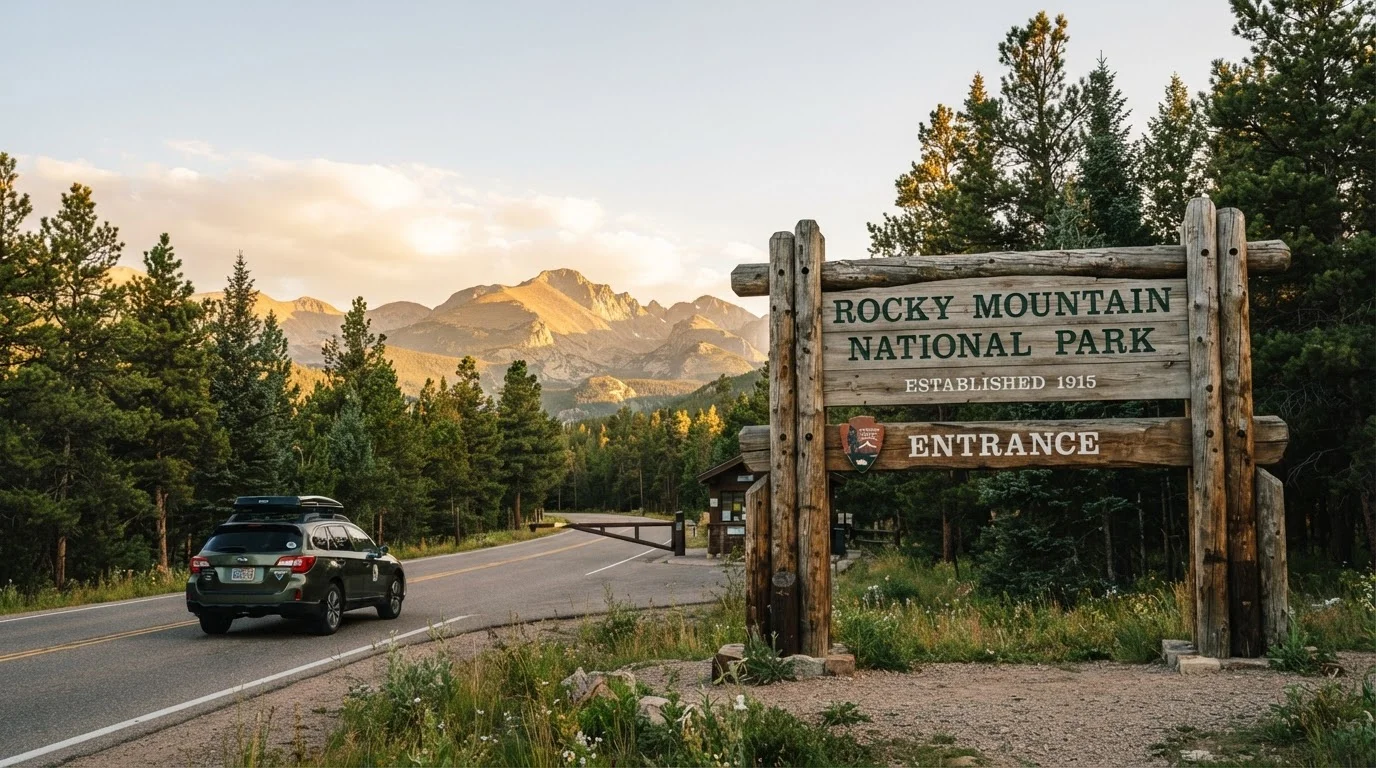
What an Entrance Fee Actually Buys You
When you pay a US National Park Service (NPS) entrance fee, you're purchasing access to the park unit itself - meaning you can drive or walk through the entrance gate and use the primary visitor areas. That's the core of what the fee covers. It does not automatically include camping, guided tours, boat launches, permits for specific trails, or lodging reservations inside the park.
Entrance fees are collected at roughly 230 of the NPS's more than 400 managed sites. The fee varies significantly by park and vehicle type. For example, some of the most-visited parks charge a per-vehicle fee for a 7-day pass, while smaller or less-trafficked units are fee-free entirely. Always check the specific park's NPS page before arriving, since fee structures can change.
What the entrance fee typically does cover:
- Vehicle entry (for a standard 7-day window at most parks)
- Access to visitor centers, scenic overlooks, and unpermitted day-use trails
- Park maps and ranger-staffed information stations
What it typically does not cover:
- Campsite reservations (booked and paid separately through Recreation.gov)
- Timed-entry permits (required at high-demand parks like Rocky Mountain and Arches)
- Backcountry or wilderness permits
- Concession-operated services such as shuttle passes, guided hikes, or gear rentals
- Parking reservations at congested trailheads
For a deeper look at permit systems and reservation requirements, see the US National Park Permits, Reservations, and Entry Rules reference guide.
The America the Beautiful Annual Pass Explained
The America the Beautiful - National Parks and Federal Recreational Lands Pass (commonly called the Interagency Annual Pass) is the most widely discussed option for frequent park visitors. Sold at a fixed annual price, it covers the entrance fee at all NPS sites that charge fees, plus lands managed by the U.S. Forest Service, Bureau of Land Management, U.S. Fish and Wildlife Service, and Bureau of Reclamation.
Entrance fee
A charge collected at the park gate that grants access to the park unit for a specified period (usually 7 days). It covers general visitation but not camping, permits, or concession services.
Interagency Annual Pass
Also called the America the Beautiful Pass, this federally issued annual pass covers entrance fees at NPS sites and other federal recreation lands. It does not cover camping or special-use fees.
Timed-entry permit
A reservation required at high-demand parks to enter during peak hours, separate from and in addition to any entrance fee. These are typically obtained through Recreation.gov.
Backcountry permit
A permit required to camp or travel overnight in designated wilderness areas within a park. It is always booked and paid for separately from the park entrance fee.
Recreation.gov
The federal reservation platform used to book campsites, timed-entry permits, and certain tours across NPS and other federal lands. Fees paid here are separate from entrance fees.
Key facts about the pass:
- Valid for 12 months from the month of purchase
- Covers the pass holder and up to three accompanying adults at per-vehicle fee sites; children 15 and under always enter free at NPS units
- Does not cover camping, special-use fees, concession services, or permits
- Free versions are available to U.S. military members and their dependents, U.S. fourth-grade students (through the Every Kid Outdoors program), and certain individuals with permanent disabilities
- A Lifetime Senior Pass (age 62+) and an Annual Senior Pass are also available at reduced cost
If you plan to visit even two or three fee-charging parks in a year, the math often favors the annual pass - but whether that's true for your itinerary depends on which parks you're visiting and how your household is structured. These kinds of trip-budget considerations fit into the broader picture described in The Hidden Costs That Catch Travelers Off Guard.
Fee-Free Days and Who Enters Free Year-Round
The NPS designates several fee-free days each year - typically tied to federal holidays such as Martin Luther King Jr. Day, the first day of National Park Week, and Veterans Day. On these days, entrance fees are waived at all NPS sites, though all other fees (camping, permits, concessions) still apply normally.
Certain visitors enter NPS lands free year-round regardless of designated fee-free dates:
- Children 15 and under
- Current U.S. military members and their dependents with a valid ID
- Fourth graders and their families holding an Every Kid Outdoors pass
- Pass holders under the Access Pass program (for U.S. citizens or permanent residents with permanent disabilities)
Fee-free days draw significantly larger crowds at popular parks. If you're planning a visit around one of these dates, factor in additional congestion, limited parking, and the possibility that timed-entry permits - which operate independently of entrance fees - may still be required and could already be fully reserved.
For broader trip-planning context, the Trip Planning hub covers strategies for budgeting, timing, and logistics across US destinations.
Note: Fee structures, free day schedules, and pass prices are subject to change. Always verify current information directly on the NPS website (nps.gov) or with the specific park unit before your visit.