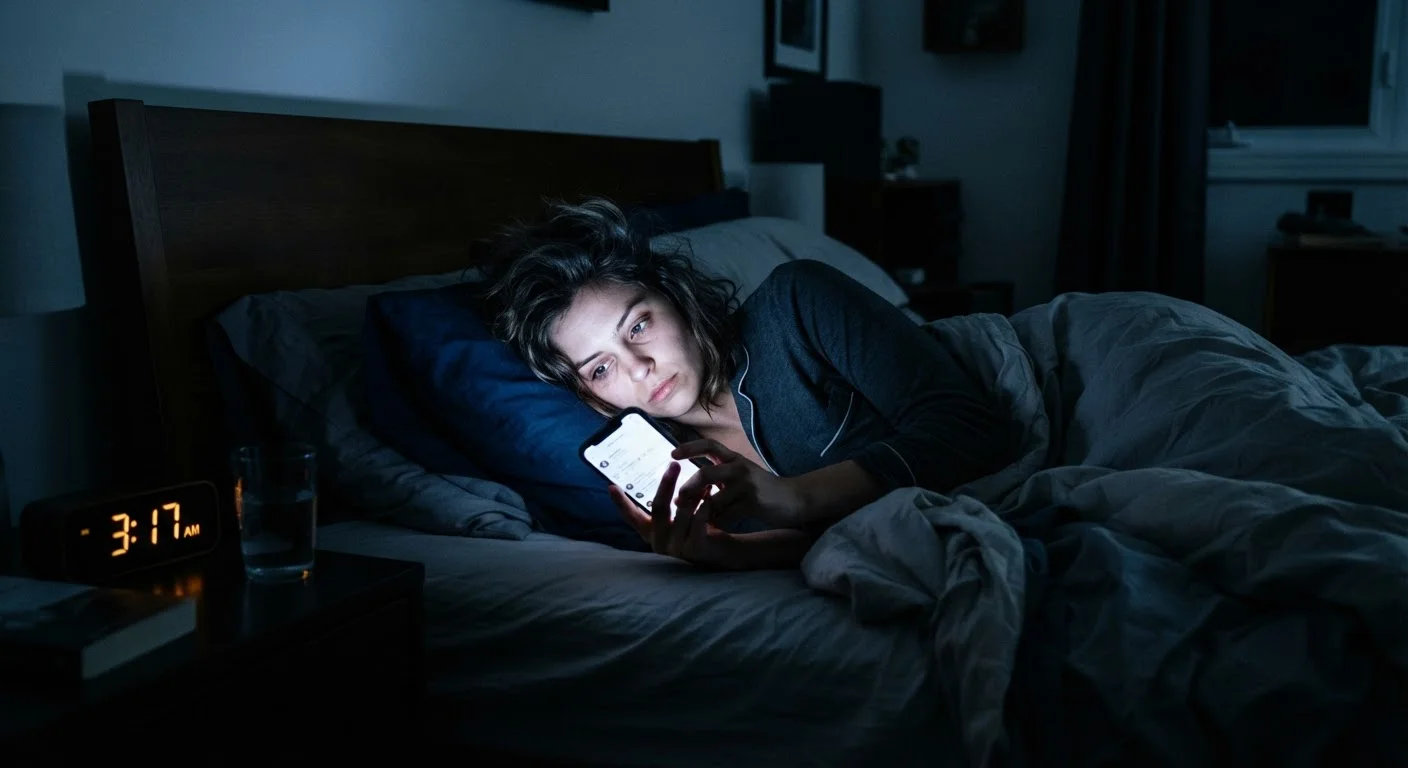
Why Sleep Sabotage Is Often Invisible
Poor sleep is rarely the result of one obvious problem. More often, it's a slow accumulation of small, routine behaviors - each easy to overlook - that quietly erode the quality and depth of rest night after night. Because the effects are gradual, most people don't connect the dots until they're chronically tired, struggling with mood, or finding it hard to focus.
Sleep is one of the most underrated pillars of overall health. It drives physical recovery, immune function, emotional regulation, and cognitive performance. Yet the habits that undermine it tend to feel harmless, even comforting. Understanding what's actually happening - and why - is the first step toward meaningful change. If you're already exploring your evening patterns, our guide to building a wind-down routine offers a practical starting point.
Common Habits That Chip Away at Sleep
The mistakes below are among the most frequently reported disruptors of sleep quality. They share one thing in common: they feel neutral or even positive in the moment, which makes them easy to repeat indefinitely.
Using screens in bed right up until falling asleep.
Why it happens: Phones and tablets are the most convenient way to decompress at day's end, and the behavior feels restful even when it isn't.
Keeping different sleep and wake times on weekdays versus weekends.
Why it happens: Sleeping in on Saturday and Sunday feels like a reasonable reward for a long week - and for many people, it's a rare chance to feel fully rested.
Eating a large or heavy meal within two to three hours of bedtime.
Why it happens: Late-evening eating is common for people with long workdays, and social dinners often run late - neither feels like a sleep decision in the moment.
Consuming caffeine in the mid-to-late afternoon.
Why it happens: The afternoon energy slump is real, and reaching for coffee or tea feels like a sensible, low-stakes fix.
Lying awake in bed when sleep doesn't come.
Why it happens: Staying in bed feels like the right response to not sleeping - leaving seems counterintuitive when the goal is rest.
35%
U.S. adults sleeping less than 7 hours nightly
According to data from the Centers for Disease Control and Prevention, more than one in three American adults regularly fall short of the recommended seven or more hours of sleep per night.
5-7 hrs
Average caffeine half-life in adults
Research in clinical pharmacology consistently places caffeine's half-life in healthy adults between five and seven hours, with significant individual variation based on genetics and liver metabolism.
If you're sleeping a full night but still waking up tired, the issue may extend beyond these habits. Our article on signs your body isn't recovering even when you sleep enough explores deeper recovery disruptions worth understanding.
The Bigger Picture: Environment and Timing Both Matter
Fixing individual habits is valuable, but sleep quality is also shaped by your surroundings. Temperature, light exposure, and ambient noise interact with the behaviors described above in ways that either compound or soften their effects. For a closer look at what the evidence says, see why your bedroom environment shapes how well you sleep.
Exercise timing is another variable worth considering. Contrary to popular belief, working out in the evening doesn't automatically harm sleep - but the details matter. The relationship between exercise timing and sleep quality breaks down the current evidence. And if you're unsure which sleep beliefs to trust, sleep myths that may be ruining your rest separates fact from widespread fiction.
Don't Rely on Willpower Alone
Modifying sleep habits is harder than it sounds because many of the behaviors that harm sleep also reduce stress and provide comfort in the short term. Making structural changes - such as charging your phone outside the bedroom or setting a fixed alarm regardless of when you fell asleep - tends to be more effective than relying on in-the-moment decision-making. Small, consistent environmental adjustments compound over time.
This article is for general informational purposes only and does not constitute medical advice. If you are experiencing persistent sleep difficulties, speak with a qualified healthcare professional.