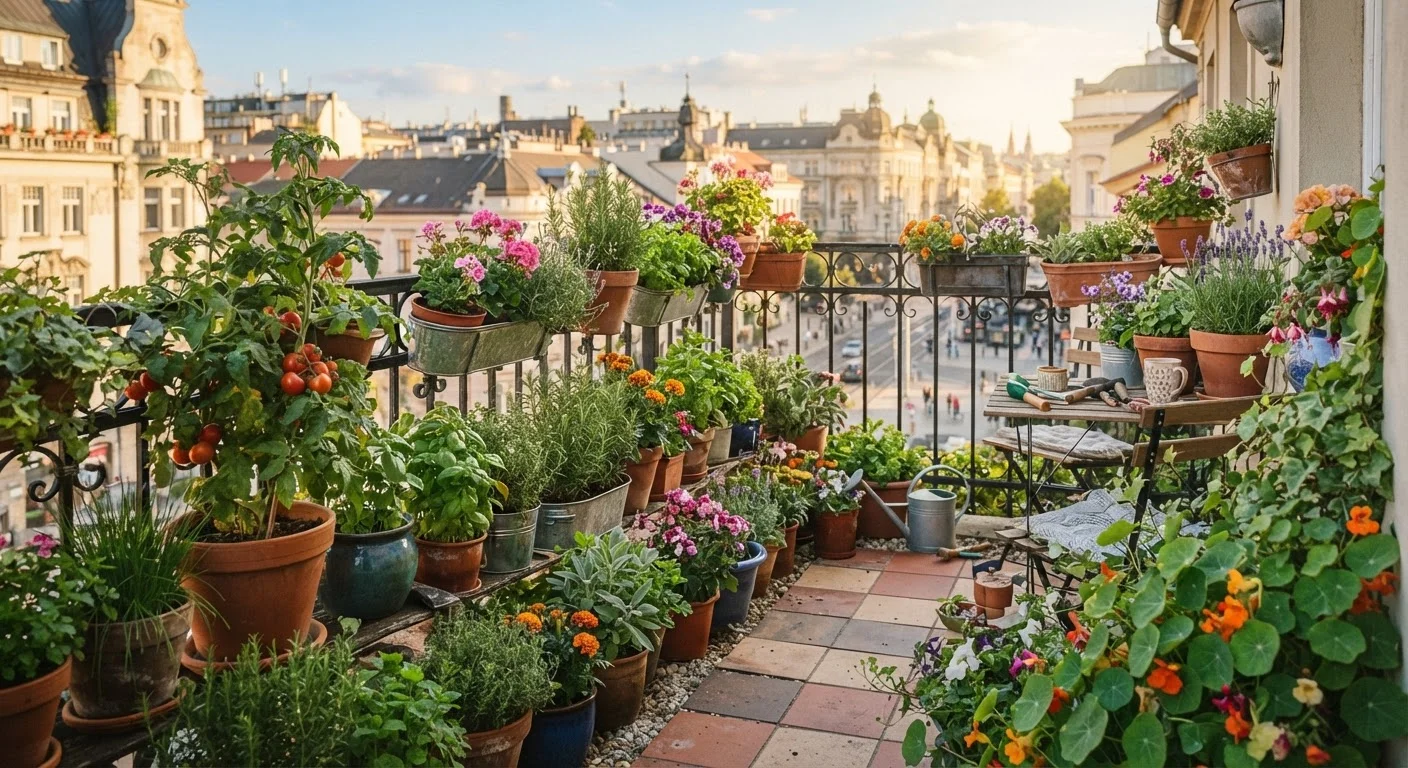
What Container Gardening Actually Means
Container gardening simply means growing plants in pots, planters, window boxes, raised troughs, or any vessel that holds soil rather than planting directly in the ground. The container is the plant's entire world - its only source of nutrients, moisture, and root space.
That distinction matters. Unlike in-ground plants that can extend roots widely and draw on soil reserves, container plants depend entirely on what you provide. If you're starting out and have never grown anything before, our ground-up gardening primer covers the basics that apply across all planting methods.
Containers come in a wide range of materials - terra cotta, plastic, wood, fabric grow bags, glazed ceramic - each with different implications for weight, moisture retention, and durability. The right choice depends on your space, climate, and what you're growing.
The Real Advantages of Growing in Containers
Container gardening has earned its popularity for good reasons. Here's what genuinely works in its favor:
Works in almost any outdoor (or indoor) space
Balconies, patios, rooftops, doorsteps, and windowsills all support container plants. Even a few square feet of usable surface is enough to grow herbs or flowers.
Full control over soil quality
You choose the potting mix, which means you sidestep problems like compacted clay, rocky native soil, or contaminated urban ground. This is a significant advantage in older neighborhoods where soil lead contamination can be a concern.
Plants can be moved to follow light or avoid frost
Mobility is a meaningful advantage over in-ground planting. You can shift containers to chase sunlight across a space or bring tender plants indoors when temperatures drop.
Easier pest and disease management
Isolating plants in containers can slow the spread of soil-borne diseases and some pests. A sick plant can be moved away from others while you address the problem.
Low barrier to entry for beginners
Starting with one or two containers requires minimal investment and commitment. You can expand gradually as your skills and confidence grow, without ripping up a lawn or building raised beds.
One underappreciated benefit is soil control. Potting mix can be tailored to your specific plants, whether that's a well-draining blend for succulents or a moisture-retaining mix for leafy greens. Compare this to in-ground gardening, where you're often working with whatever native soil exists - a comparison explored in more depth in our article on raised beds vs. in-ground planting.
The Honest Disadvantages You Should Expect
No growing method is without its challenges, and containers have some that catch beginners off guard:
Dries out significantly faster than ground soil
Containers, especially smaller ones in direct sun or wind, can need watering daily in summer. This is the single most common reason container plants fail, and it requires a reliable routine.
Nutrients deplete quickly and require regular replenishment
Frequent watering leaches nutrients from potting mix rapidly. Without a consistent fertilizing schedule, plants will show deficiencies - yellowing leaves, poor fruit set, and stunted growth - within weeks.
Root space is fundamentally limited
No matter how large your container, it restricts root development compared to open ground. Large or deep-rooted plants - pumpkins, corn, large shrubs - are impractical in all but the largest vessels.
Containers in full sun can overheat roots
Dark-colored pots in direct afternoon sun can raise soil temperatures to levels that stress or damage roots. This is especially problematic for vegetables that prefer cooler root zones, such as lettuce.
Ongoing cost of potting mix and containers
Quality potting mix - not garden soil, which compacts in containers - needs to be refreshed or replaced each season. This recurring cost adds up, particularly if you're maintaining many containers.
Heavy pots can create structural or mobility challenges
Large containers filled with wet soil are heavy. On balconies, weight load limits may be a legitimate concern; always verify your balcony's load capacity before placing multiple large planters.
Nutrient depletion is one of the most common issues. Because you're watering frequently, nutrients leach out of potting mix much faster than in garden soil. Regular feeding - typically every two to three weeks during the growing season using a balanced, water-soluble fertilizer - is not optional; it's routine maintenance. If you're interested in building a low-cost nutrient source, composting kitchen scraps can supplement container feeding, though finished compost works best mixed into potting media rather than used alone.
Balcony Weight Limits Are a Real Safety Concern
If you're gardening on an apartment balcony or rooftop deck, weight capacity matters. A large container filled with wet potting mix can weigh 50-100 pounds or more. Before placing multiple heavy planters, check your lease, building management guidelines, or consult a structural professional. Lightweight potting mixes and fabric grow bags can help reduce load significantly.
Choosing What to Grow (and Matching It to Your Space)
Plant selection is where container success is often won or lost before the first seed goes in. The general rule: match the pot size to the plant's mature root system.
- Herbs (basil, parsley, chives, mint) thrive in 6-8 inch pots and are ideal for windowsills or small balconies.
- Lettuce and salad greens grow well in shallow containers, 6-8 inches deep, and tolerate partial shade.
- Tomatoes need at least a 5-gallon container (10-12 inches across) for compact or determinate varieties; larger for indeterminate types.
- Root vegetables like carrots and radishes require deeper containers - 12 inches or more - to develop properly.
- Dwarf fruit trees can grow in large containers (15-25 gallons) but require consistent care and winter protection in colder climates.
When deciding how to start your plants, the choice between seeds and transplants matters in containers too - transplants give you a head start in a limited growing season. Our guide on seeds vs. transplants walks through the trade-offs.
35%
U.S. households growing food at home
According to the National Gardening Association, roughly one in three American households participates in food gardening, with container growing increasingly popular among urban and suburban gardeners.
5 gallons
Minimum pot size for most tomato varieties
University cooperative extension programs commonly recommend a 5-gallon container as the practical minimum for compact tomato varieties, with larger containers yielding better results.
Practical Tips for Keeping Container Plants Healthy
A few consistent habits make the difference between struggling plants and productive ones:
- Water before the soil completely dries out. Stick a finger an inch into the soil - if it's dry at that depth, water thoroughly until it drains from the bottom.
- Never use gravel at the bottom of pots. Despite popular belief, a gravel layer does not improve drainage; research consistently shows it can actually raise the water table inside the pot. Use well-draining potting mix throughout. (More on this in our roundup of common garden myths.)
- Fertilize regularly. Once nutrients in fresh potting mix are depleted - often within four to six weeks - plants rely entirely on what you add.
- Repot when roots outgrow the container. Signs include roots circling the bottom, water running straight through without absorbing, or stunted growth.
With the right plants, the right container size, and consistent care, even a modest balcony or patio can support a productive, satisfying garden.