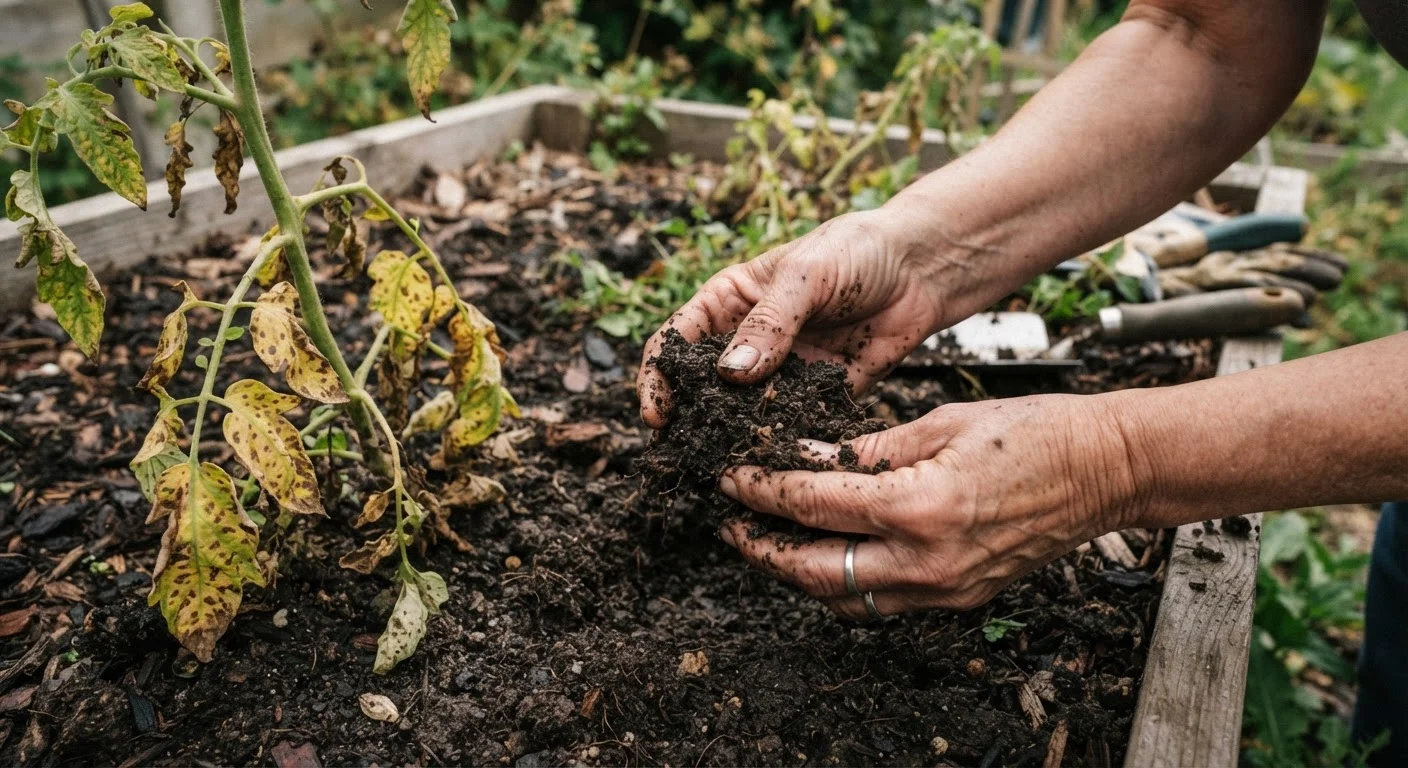
Why Plants Fail - And Why Soil Is Usually the Culprit
It's easy to blame a struggling plant on bad luck or the wrong variety. But more often than not, the problem is already in the ground before a single seed goes in. Soil is a living system - it regulates moisture, nutrients, temperature, and the oxygen supply that roots depend on. When something in that system is off, plants signal distress through yellowing leaves, wilting, stunted growth, or outright death.
The encouraging news: most soil problems are fixable, and almost all of them are avoidable once you know what to look for. Understanding what the soil is telling you is the single highest-leverage skill a new gardener can develop. It's also worth knowing that light plays an equal role - understanding your sunlight zones helps rule out that variable too.
~90%
Container plant deaths linked to watering errors
Horticultural extension educators broadly estimate that the vast majority of houseplant and container plant deaths stem from overwatering or underwatering rather than pests or disease.
6.0-7.0
Ideal soil pH range for most vegetables
The University of Minnesota Extension notes that most edible crops perform best within this pH window, where key nutrients remain plant-available.
The Most Common Soil Mistakes - And How to Fix Them
The mistakes below account for the majority of preventable plant failures in home gardens. Each one is diagnosable and correctable with basic observation and inexpensive tools.
Watering on a fixed schedule rather than checking soil moisture first.
Why it happens: New gardeners often follow general advice like 'water twice a week' without accounting for weather, pot size, or plant type - leading to chronically soggy or bone-dry soil.
Ignoring soil pH before planting or fertilizing.
Why it happens: pH is invisible and its effects are slow, so it's easy to overlook. Many gardeners fertilize repeatedly and can't understand why plants still look pale or stunted - nutrient lockout from the wrong pH is often the cause.
Using the wrong soil type for the planting environment.
Why it happens: Garden soil, potting mix, and raised-bed blends are not interchangeable. Using heavy garden soil in containers collapses drainage and crushes roots. Using lightweight potting mix in ground beds can dry out too quickly.
Planting in compacted soil without loosening it first.
Why it happens: Foot traffic, heavy rainfall, and years of neglect can compact soil until it resembles hardened clay. Roots can't penetrate it, water pools on the surface, and oxygen - which roots need - can't circulate.
Applying too much fertilizer in hopes of accelerating growth.
Why it happens: More nutrients seem like they should mean more growth - but plants can only absorb what they need at a given time. Excess fertilizer, especially nitrogen, creates salt buildup that burns roots and draws moisture out of plant tissue.
Test Before You Amend
Adding fertilizer, lime, or compost to soil you haven't tested is guesswork - and guesswork often makes things worse. An inexpensive soil test kit (available at most garden centers or through your county cooperative extension office) tells you exactly what's off before you spend money correcting it. Treating the wrong problem can lock out the very nutrients your plants need.
Before purchasing amendments or specialty mixes, it's also worth reviewing common garden myths - some widely repeated advice, like adding gravel to container bottoms for drainage, can actually make soil problems worse.
Reading What Your Soil Is Showing You
Plants communicate through their appearance, and once you learn the patterns, diagnosis becomes much more intuitive. Yellowing between leaf veins on otherwise green leaves often points to iron or magnesium deficiency - usually a pH problem rather than a missing fertilizer. Brown, mushy roots signal overwatering and poor drainage. Pale, washed-out foliage with slow growth may indicate nitrogen deficiency or severely compacted soil starving roots of oxygen.
Beyond visual cues, the feel and smell of soil offer real information. Healthy soil should be loose and earthy-smelling. Soil that smells sour or sulfurous is often waterlogged and anaerobic - a clear sign of drainage trouble. Soil that forms a hard crust after watering is almost certainly compacted or lacking organic matter.
Don't Reuse Potting Mix Season After Season
Old potting mix breaks down over time, losing its structure and accumulating salts, pathogens, and depleted nutrients. Reusing it in containers without refreshing significantly increases the risk of disease and stunted growth. At a minimum, blend old mix with fresh compost and check that it still drains freely before replanting.
If you're not sure where to start, check the plant tag that came with your purchase - those small labels carry more useful information than most gardeners realize. Our guide to reading a plant tag breaks down exactly what each line means for soil, water, and light requirements.