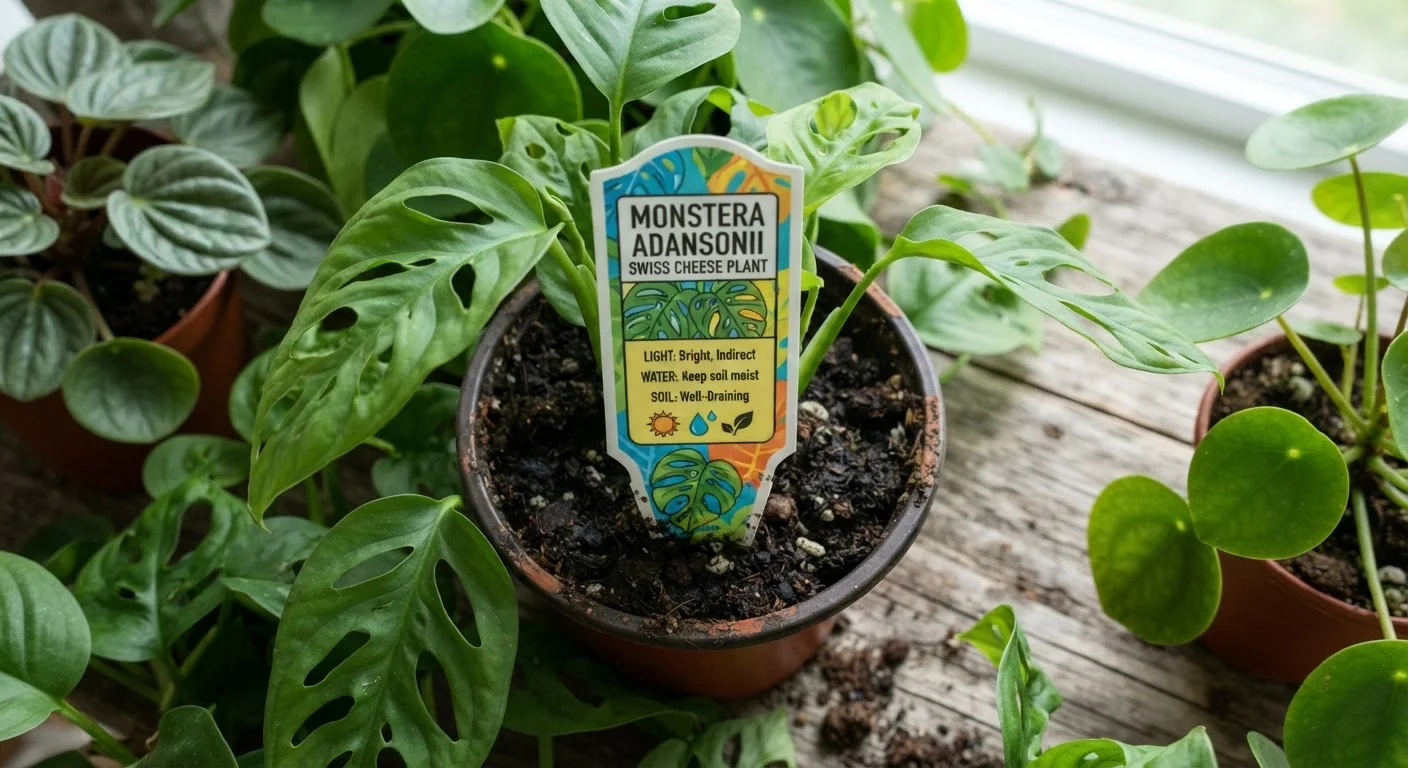
Why the Tag Deserves a Closer Look
Most nursery shoppers glance at the photo on a plant tag, note the name, and move on. But that small plastic card is actually a condensed care manual. It encodes planting distance, light tolerance, water needs, mature size, and climate compatibility - all in standardized shorthand. Learning to read it fluently helps you place plants where they'll actually thrive, rather than relying on guesswork after the fact.
Plant tags aren't perfectly standardized across every producer, but they follow widely shared conventions that, once you know them, become easy to decode. The sections below walk through each field you're likely to encounter.
| Full Sun definition | 6 or more hours of direct sunlight per day |
| Part Sun / Part Shade definition | 3-6 hours of direct sunlight per day |
| Full Shade definition | Fewer than 3 hours of direct sunlight per day |
| USDA Zone range | Zones 1 (coldest) to 13 (warmest) (USDA Plant Hardiness Zone Map) |
| Botanical name format | Genus species 'Cultivar' - always italicized |
| Spacing tip | Follow tag spacing even if plants look small - they fill in within 1-2 seasons |
Plant Identity: Common Name, Botanical Name, and Variety
The top of most tags lists two names. The common name (e.g., coneflower or black-eyed Susan) is everyday language - useful but imprecise, since several unrelated plants can share one. The botanical name, shown in italics below it (e.g., Echinacea purpurea), is exact. If you're researching care requirements, searching by botanical name returns far more reliable results.
A third identifier - the cultivar name - often appears in single quotes after the species (e.g., Echinacea purpurea 'Magnus'). Cultivars are bred varieties that may differ significantly from the base species in color, height, or cold hardiness, so it's worth noting this detail before you buy.
Light, Water, and Soil Requirements
Light symbols are usually represented by sun icons: a full sun icon means the plant needs 6 or more hours of direct sunlight daily; a half-shaded icon indicates part sun or part shade (typically 3-6 hours); a fully shaded icon means the plant prefers fewer than 3 hours of direct light. These categories matter more than most beginners expect. Placing a full-sun plant in a shaded corner almost always leads to poor growth or disease. For a detailed breakdown of what these light conditions look like in a real yard, see our guide to sunlight zones.
Water needs are sometimes shown as droplet icons (one for low, two for moderate, three for high) or written out as words like drought tolerant, average moisture, or consistently moist. These indicate how often you'll need to irrigate once the plant is established - newly transplanted specimens almost always need more water than the tag suggests during their first season. Common soil and watering mistakes are one of the most preventable causes of early plant failure.
Soil preferences may appear as a short note like well-drained, moist, fertile soil, or tolerates poor soil. These aren't suggestions - they reflect where the plant evolved and what conditions its roots genuinely need.
Mature Size and Spacing
Tags list mature dimensions as height × spread (e.g., 18-24 in. H × 12-18 in. W). Height refers to how tall the plant grows above ground; spread (also called width or width at maturity) tells you how wide it will eventually reach. Both figures should guide your spacing decisions at planting time.
Spacing instructions tell you how far apart to place individual plants. These numbers can feel counterintuitively wide when plants are young, but following them prevents overcrowding, reduces disease from poor air circulation, and minimizes competition for nutrients. Resist the urge to plant tightly for an immediate full look - most plants fill in within one to two seasons.
Tag Figures Are for Mature Plants
Spacing and size numbers on plant tags reflect the plant's mature dimensions, not how it looks at purchase. A 4-inch pot labeled '24 in. spread' will eventually need that room even if it looks tiny today. Planning for mature size at the time of planting prevents the need for disruptive transplanting later.
Spacing figures are also important for calculating how many plants you need to cover a bed. Divide your planting area by the spacing area per plant to get an estimate.
Hardiness Zone and Bloom Information
The USDA Plant Hardiness Zone range printed on a tag (e.g., Zones 4-9) is one of the most critical pieces of information on the label. It tells you the range of winter cold temperatures a plant can reliably survive. The USDA map divides North America into numbered zones based on average annual minimum temperatures; knowing your zone tells you instantly whether a plant is a long-term investment or a one-season annual in your area. Zone maps are freely available through the USDA website.
Bloom time is often noted as a season or month range (e.g., blooms June-August). This helps you plan for seasonal color in a mixed border - staggering bloom times across plantings keeps the garden visually interesting from spring through fall. For a month-by-month planning framework, see our seasonal gardening task guide.
Some tags also include an AHS Heat Zone rating, developed by the American Horticultural Society to reflect summer heat exposure. This is less universally printed than USDA zones, but it's useful if you garden in a hot-summer climate like the Southeast or Southwest.
Cultivar
A cultivated variety of a plant that has been selected or bred for specific traits, such as flower color, compact size, or disease resistance. Cultivar names appear in single quotes on plant tags.
USDA Hardiness Zone
A geographic classification system based on average annual minimum winter temperatures, used to indicate whether a perennial plant can survive the winter in a given location. Zones range from 1 (coldest) to 13 (warmest).
Spread
The mature horizontal width of a plant, measured from one side to the other at its widest point. Used alongside height to determine proper spacing at planting time.
Part Sun / Part Shade
A light condition describing 3-6 hours of direct sunlight per day. 'Part sun' often implies the plant benefits from more sun within that range, while 'part shade' suggests it prefers less.
Established Plant
A plant that has developed a sufficient root system to draw moisture and nutrients independently from its surrounding soil, typically after its first full growing season.
AHS Heat Zone
A classification system developed by the American Horticultural Society that rates plant heat tolerance based on the average number of days per year a region exceeds 86°F (30°C).