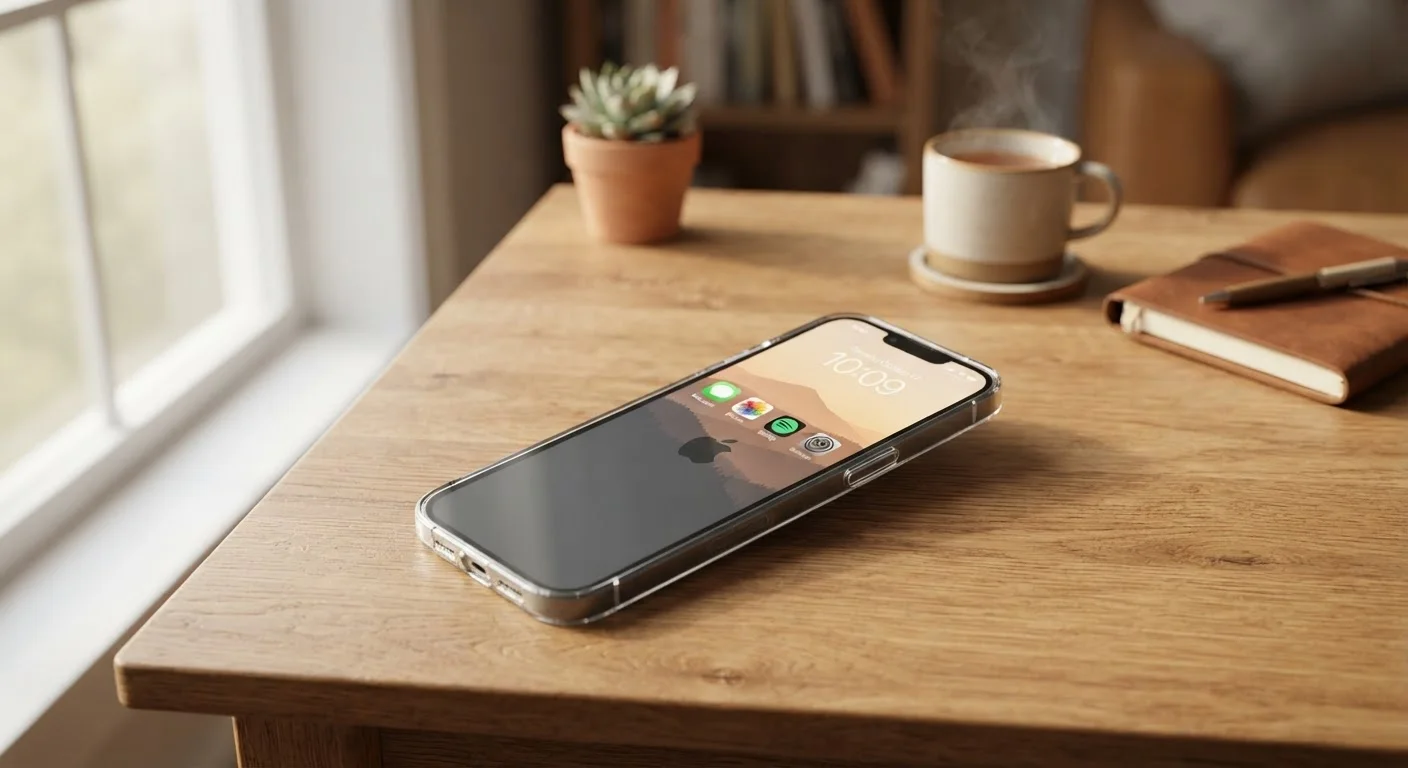
Why Phones Age Faster Than They Have To
The average American replaces their smartphone every two to three years - often not because the device has truly failed, but because it feels slow, the battery no longer holds a charge, or storage is perpetually full. These are largely preventable problems. A smartphone is a precision device with a handful of predictable failure points, and understanding them early is the first step to getting more years from the one you already own.
Unlike a car or a roof, a phone rarely breaks down dramatically. Instead, it degrades gradually - a few percentage points of battery capacity lost each month, a little more storage consumed each app update, a bit more lag as the operating system grows more demanding. The good news is that each of these trends responds well to deliberate habits.
Protect the Battery - It's the Heart of Longevity
Battery health is the clearest predictor of how useful your phone will remain over time. Lithium-ion batteries - the type in every modern smartphone - degrade through charge cycles. How you charge matters as much as how often you charge.
Keep your battery charge between roughly 20% and 80% whenever practical
Repeatedly draining a lithium-ion battery to zero or charging it to 100% and leaving it there puts more stress on the battery cells, accelerating capacity loss over time. Staying in the middle range reduces this strain and extends the number of useful charge cycles.
Avoid charging your phone in environments where it gets noticeably warm
Heat is the primary enemy of battery longevity. Charging generates heat on its own; doing so in a hot car, direct sunlight, or while running demanding apps compounds that effect significantly.
Install operating system updates promptly rather than delaying them indefinitely
Updates frequently include performance optimizations alongside security patches. Skipping them can leave your device running older, less efficient code - and expose it to known vulnerabilities that are actively being exploited.
Audit and delete apps you haven't used in the past three months
Unused apps consume storage space and often run background processes - checking for updates, refreshing notifications, and syncing data - that drain both battery and processing capacity without any benefit to you.
Keep at least 10-15% of your total storage free at all times
Operating systems use available storage as working space for temporary files and system operations. When storage fills up, the phone struggles to manage these tasks and performance degrades noticeably.
For a deeper look at what's silently consuming your charge day-to-day, see our guide to fast battery drain causes.
Software Hygiene: Updates, Storage, and App Management
Software neglect causes as much premature slowdown as hardware wear. Keeping your phone's software in good shape requires only a few minutes of attention each month.
It's also worth separating fact from folklore here. Practices like force-closing every background app or clearing cache constantly don't always help - and sometimes hurt performance. Our article on common smartphone performance myths explains why.
And if you want to get more from your current device while you have it, the hidden settings that make your phone easier to use is worth a few minutes of your time.
Physical Care: Cases, Screens, and Environmental Risks
The most common reasons phones die prematurely are cracked screens and water damage - both largely preventable. A quality case absorbs impact energy that would otherwise transfer directly to the glass and internal components. A tempered glass screen protector adds a sacrificial layer that takes scratches and minor impacts so your display doesn't have to.
Beyond drops and spills, heat is a silent enemy. Leaving your phone on a car dashboard in summer, or charging it under a pillow overnight, raises internal temperature in ways that accelerate battery degradation and can damage the processor over time. Store and charge your phone in cool, well-ventilated spots whenever possible.
About Water Resistance Ratings
Many modern smartphones carry an IP (Ingress Protection) rating indicating some resistance to water and dust. However, these ratings apply to controlled lab conditions and degrade over time as seals wear out. An IP68-rated phone is not fully waterproof in practical daily use - especially an older device. Treat water resistance as a safety margin for accidents, not a license for submersion.
The same attentiveness that keeps connected home devices running reliably applies to smartphones. Our checklist for keeping smart home devices working shares some transferable habits.
Security Maintenance Is Also Device Maintenance
Security and performance are more connected than most people realize. Malicious apps, phishing attacks, and unpatched vulnerabilities can consume background resources, drain the battery faster, and ultimately shorten how long your phone feels useful. Staying current on operating system updates - which carry security patches alongside performance fixes - is one of the highest-impact things you can do.
For readers who want practical, non-technical guidance on locking down their device, our overview of smartphone security for everyday users covers the fundamentals without requiring any technical background.
~3 years
Average U.S. smartphone replacement cycle
Industry research consistently places the average replacement interval between 2.5 and 3.5 years, though many devices are capable of reliable performance well beyond that with proper care.
20%
Typical battery capacity lost after 500 full charge cycles
Battery manufacturers generally consider a lithium-ion cell at end-of-life when it retains roughly 80% of its original capacity - a threshold most phones reach after consistent heavy use over two or more years.