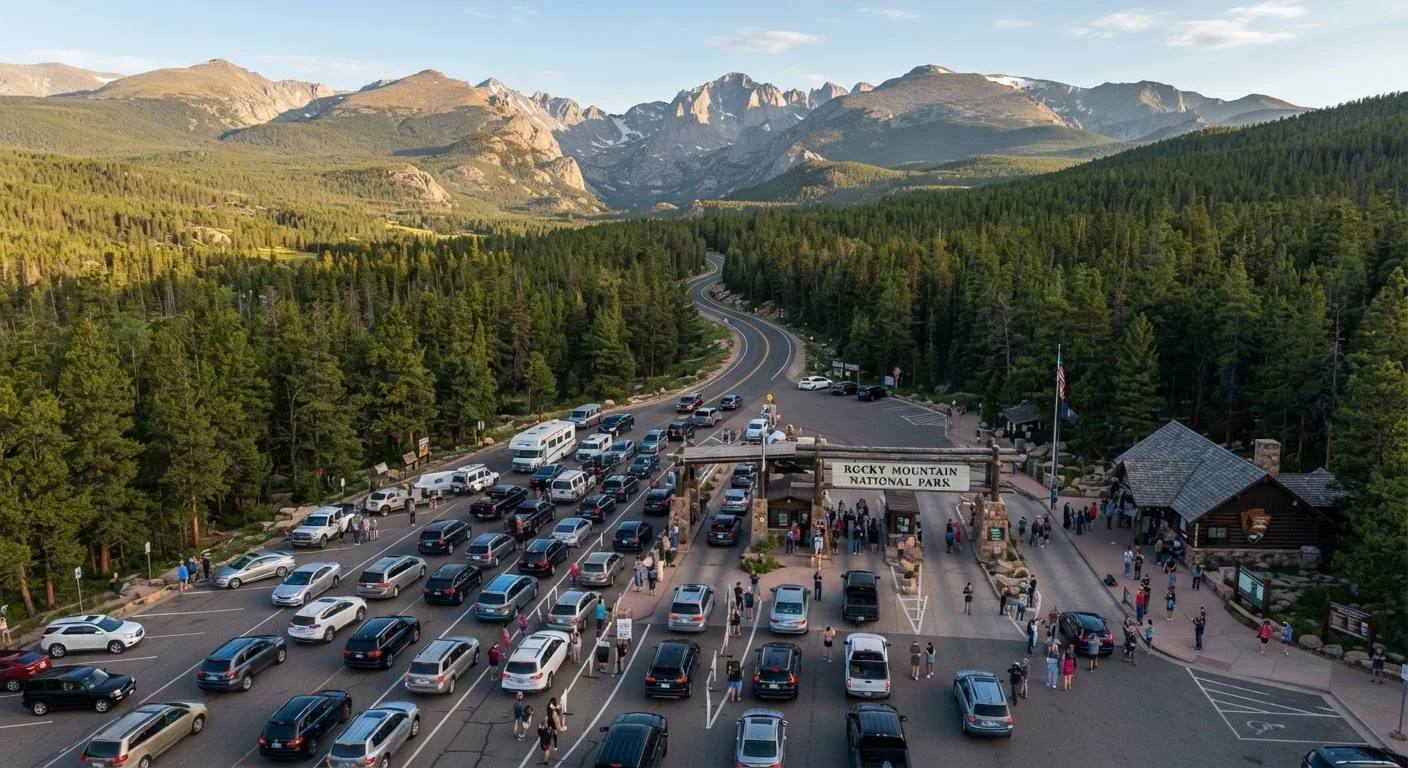
How Entry Systems Work Across National Parks
Not all national parks work the same way at the gate. Some parks - including Great Smoky Mountains and Shenandoah - currently require no advance reservation for general entry. Others, including Arches, Rocky Mountain, and Yosemite, have introduced timed-entry permit systems during peak periods to manage crowding. Still others operate on a first-come, first-served model that can mean long waits without a reservation.
Understanding which system applies to your destination is the single most important planning step. The National Park Service updates these requirements each season, so a park that didn't require a reservation last summer may require one this year. Check nps.gov for the specific park you're visiting, then cross-reference with Recreation.gov for any reservation components. See our breakdown of what park entrance fees actually cover for more on how the fee structure works.
| Number of US National Parks | 63 designated national parks (National Park Service) |
| Standard Single-Park Vehicle Fee Range | $5-$35 per vehicle (National Park Service fee schedules) |
| America the Beautiful Annual Pass Cost | $80 per year (National Park Service) |
| Primary Reservation Platform | Recreation.gov (Federal interagency reservation system) |
| Free Entrance Days Per Year | Typically 5-6 designated days (National Park Service; dates vary annually) |
| Parks Requiring Timed-Entry Permits | Over a dozen during peak seasons (National Park Service; subject to change each season) |
Timed-Entry Permits: What They Are and How to Get One
A timed-entry permit reserves your vehicle's access to a park or corridor during a set window - typically a two- to four-hour block. These permits are separate from entrance fees and are usually obtained through Recreation.gov. Most release on a rolling advance schedule (often two to three weeks before the date), and popular slots can sell out within minutes of release.
Practical steps to secure a timed-entry permit:
- Create a free Recreation.gov account well before your trip date.
- Note the exact release date and time for your target park - these vary by park and season.
- Set a calendar reminder and have your payment information ready in advance.
- Check for walk-up or same-day cancellation availability if advance permits are gone.
For parks like Glacier, timed-entry requirements can apply to specific corridors - such as the Going-to-the-Sun Road - rather than the entire park. Our Glacier National Park pre-trip briefing explains how corridor-specific permits work in practice.
Verify Rules Directly With Each Park
Permit requirements, reservation windows, and fee structures change from season to season and park to park. Always confirm the latest entry rules on the official National Park Service website (nps.gov) or Recreation.gov before finalizing your trip. Third-party reseller sites may show outdated or incorrect information.
Wilderness and Backcountry Permits
Overnight backcountry trips in most national parks require a wilderness permit in addition to standard park entry. These are often distributed through lottery - meaning you apply during a specific window and are randomly selected, not guaranteed a spot based on when you apply.
Key details to know:
- Lottery timelines: Many wilderness lotteries open months in advance. Popular permits - such as those for the Enchantments in Washington or the Havasupai area in the Grand Canyon - can require planning a year or more out.
- Walk-up permits: A portion of permits are sometimes held for in-person pick-up at a ranger station the morning of or the day before. Arrive early; spots go fast.
- Group size limits: Most backcountry zones enforce strict limits on party size, typically 12 or fewer people, to minimize environmental impact.
Backcountry regulations also govern campsite placement, fire rules, and waste disposal. Review Leave No Trace principles and the specific rules for your park's wilderness zone before departure. Permit logistics are exactly the kind of detail covered in our guide on trip planning details that quietly derail vacations.
325M+
Annual visits to National Park System units
According to National Park Service visitation statistics, total recreation visits to all NPS units have regularly exceeded 300 million in recent years.
$80
Cost of the America the Beautiful annual pass
The interagency annual pass covers entrance fees at over 2,000 federal recreation sites managed by multiple agencies.
Weeks to months
Advance window for popular permit lotteries
High-demand permits - such as those for the Wave in Arizona or Half Dome cables in Yosemite - typically open through lottery systems well before the travel date.
Entrance Passes and Fee Waivers
The America the Beautiful Annual Pass ($80) is the most cost-efficient option for travelers visiting multiple parks in a year. It covers the vehicle entrance fee at all fee-charging national parks and over 2,000 other federal sites. Discounted or free passes are available for seniors (ages 62+), U.S. military members and their dependents, volunteers, and fourth-grade students through the Every Kid Outdoors program.
The pass does not cover camping fees, activity reservations, concession services, or park-specific permit fees. It also does not guarantee entry on days requiring timed-entry permits - you still need a valid permit in addition to the pass.
Fee waiver days, typically five to six per year, allow free general admission at all NPS sites. These are good for drop-in visits but do not reduce the need for any required reservation or permit on that day.
Once you've sorted out permits and fees, consider where you'll base yourself. Our guide on choosing between urban and rural park gateways can help you think through lodging logistics alongside your entry planning.
This article provides general reference information only. Entry requirements, fees, and permit systems are subject to change. Always verify current rules directly with the National Park Service and Recreation.gov before your trip.