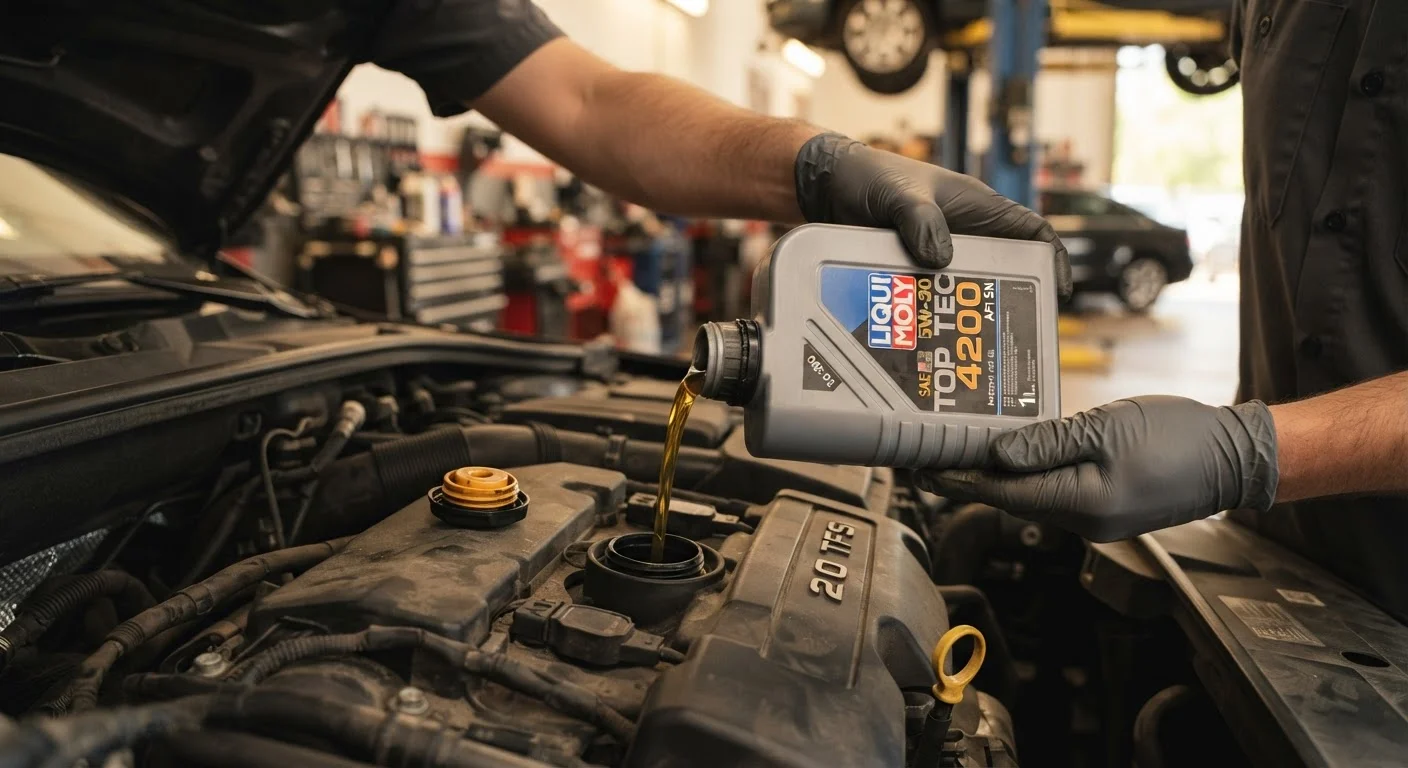
Why Oil Change Myths Persist - and Why They're Expensive
Motor oil myths have staying power for a simple reason: they often contain a grain of historical truth. Recommendations that made sense for carbureted engines and older oil formulations from decades past have been repeated so many times they've become automotive folklore. The problem is that following outdated advice can mean paying for oil changes you don't need, or choosing the wrong products for your vehicle.
The most reliable source for your vehicle's actual oil change schedule is the owner's manual in your glove box. It reflects your engine's specific engineering, not general industry habits. If your vehicle has an oil life monitoring system, that system uses real driving data - trip length, temperature, engine load - to calculate when a change is genuinely needed.
For a deeper look at how oil types compare, see our guide to synthetic vs. conventional motor oil.
Myth
You must change your oil every 3,000 miles, no exceptions.
Fact
Most modern vehicles with conventional oil can go 5,000 to 7,500 miles, and those using full synthetic can often reach 10,000 to 15,000 miles between changes.
The 3,000-mile rule originated when engine tolerances were looser and oil formulations were far less refined. Modern engines are engineered to tighter specifications, and today's motor oils - especially full synthetics - are significantly more durable. The American Automobile Association (AAA) and many vehicle manufacturers have publicly noted that the 3,000-mile interval is unnecessary for most current vehicles. Check your owner's manual for the interval that matches your actual engine and oil type.
Myth
Dark-colored oil always means it needs to be changed immediately.
Fact
Oil darkens naturally as it does its job - that color change alone is not a reliable indicator of oil that needs replacing.
Motor oil darkens because it suspends combustion byproducts and microscopic contaminants - that's part of what it's designed to do. Some oil additives and detergents cause darkening almost immediately after a fresh fill. Judging change intervals by color alone ignores the actual condition of the oil's additive package and viscosity. Use your vehicle's oil life monitor or your owner's manual schedule as your primary guide, not the dipstick color.
Myth
Switching to synthetic oil in an older or high-mileage engine will cause leaks.
Fact
Modern synthetic oils do not cause seals to shrink or leak in properly maintained engines.
This myth likely traces back to early synthetic formulations that used chemical compositions sometimes incompatible with older seal materials. Current full synthetic and synthetic-blend oils are engineered to be compatible with modern and older engines alike. In fact, some synthetic formulations are specifically marketed for high-mileage vehicles and include seal-conditioning additives. If an older engine already has significant seal deterioration, that pre-existing wear - not the oil type - is the source of any leaking. For more on choosing the right oil, visit our synthetic vs. conventional motor oil breakdown.
Myth
You need to warm up your engine for several minutes before driving in cold weather.
Fact
Modern fuel-injected engines reach operating temperature faster by being driven gently, not by sitting and idling.
Extended idling before driving was sound advice for carbureted engines that needed time to adjust fuel mixtures. Fuel-injected engines - standard on virtually every vehicle sold in the past few decades - use sensors to manage fuel delivery automatically. Extended cold idling actually delays the engine reaching optimal temperature, wastes fuel, and can wash oil off cylinder walls in very cold conditions. A better approach: start the engine, allow 30 to 60 seconds for oil to circulate, then drive gently for the first few miles.
Myth
If the oil isn't due yet, you never need to check it between changes.
Fact
Some engines consume small amounts of oil between changes, and running low can cause significant engine damage even with clean oil.
Oil consumption varies by engine design, age, and driving conditions. Some vehicles - particularly certain turbocharged or high-performance engines - can consume a quart or more between changes under normal use. Relying entirely on a change interval without checking the level periodically risks running critically low. A quick monthly dipstick check takes about two minutes and can prevent repairs that cost hundreds or thousands of dollars.
What to Actually Pay Attention To
Once you've cleared out the myths, a few legitimate signals are worth your attention. Unusual engine noise - particularly a knocking or ticking sound - can indicate low or degraded oil. A persistent oil pressure warning light should never be ignored; pull over safely and check the level before driving further.
Checking your oil level with the dipstick every month or so takes about two minutes and gives you a genuine read on what's happening inside your engine. Look for a healthy level between the minimum and maximum marks, and feel the oil between your fingers. Extremely gritty texture or a strong burned smell can indicate it's time for a change, regardless of mileage.
Don't Ignore the Oil Pressure Warning Light
If your oil pressure warning light comes on while driving, do not assume it's a sensor glitch and continue. Pull over safely as soon as possible and check your oil level before driving further. Running an engine with critically low oil pressure can cause permanent engine damage within minutes. Have the vehicle inspected by a qualified mechanic if the light persists after confirming the oil level is correct.
When it comes to deciding whether to handle changes yourself or use a shop, it's worth understanding the tradeoffs. Our DIY vs. shop oil change comparison walks through cost, time, and risk honestly. And to understand how oil fits into your vehicle's broader fluid picture, see vehicle fluids every driver should know about.