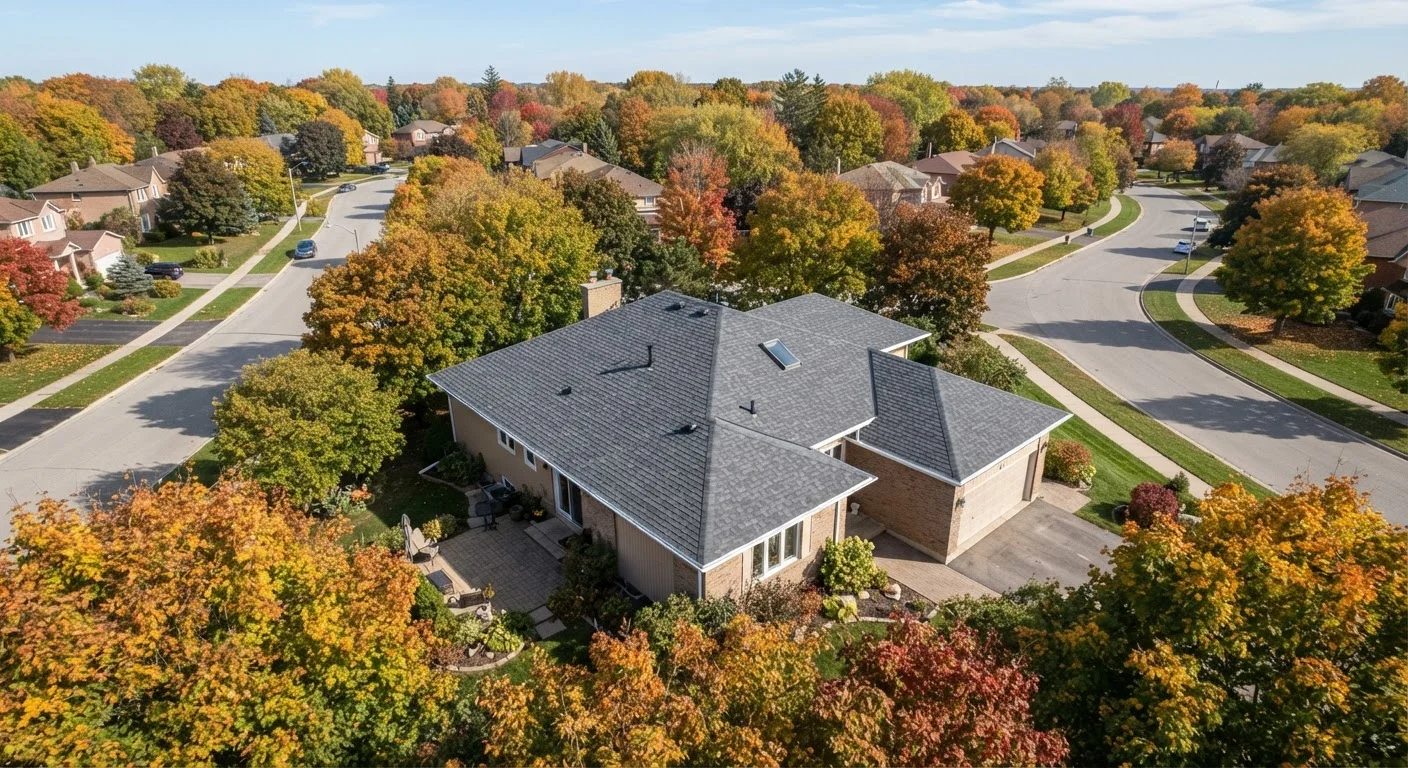
Why Preventive Roof Care Pays Off
A roof is one of the most expensive components of any home to replace, with full replacement costs often running into the tens of thousands of dollars. Yet the habits that meaningfully extend a roof's lifespan are neither expensive nor time-consuming. Consistent, low-effort maintenance is far more cost-effective than reactive repair after damage has spread.
Most roofing professionals suggest that a well-maintained asphalt shingle roof can last 20 to 30 years, while neglected ones may need replacement a decade early. The culprits are usually predictable: trapped moisture, debris buildup, and overlooked damage that compounds over time. Understanding those patterns lets you stay ahead of them. For a broader view of when roof care fits into your overall home schedule, see our annual home maintenance calendar.
Core Practices That Protect Your Roof
The following habits form the foundation of sound roof maintenance. None require professional equipment or specialized skills at the observation stage, though repairs should always be handled by a licensed roofing contractor.
Inspect your roof visually at least twice a year - once in spring and once in fall.
Seasonal inspections let you catch winter storm damage before spring rains worsen it, and identify vulnerabilities before freeze-thaw cycles in winter. Catching a displaced or cracked shingle early prevents water from reaching the decking below. Most inspections can be done safely from the ground with binoculars.
Clean gutters and downspouts at least twice a year, or more often if trees overhang the roof.
Blocked gutters force water to pool along the roof edge, where it works under shingles and damages fascia boards. Ice dams in colder climates often originate from gutters that couldn't drain properly in fall. Clear gutters also prevent water from cascading against your foundation.
Trim tree branches that hang within six feet of the roof surface.
Overhanging limbs scrape shingles during wind, wearing away protective granules over time. Fallen branches can puncture or displace shingles outright. Leaf and debris accumulation in roof valleys also retains moisture, encouraging moss and algae growth.
Address moss, algae, and lichen growth as soon as it appears.
Moss holds moisture against shingles, accelerating their breakdown and increasing the risk of leaks. Algae creates dark streaking that, while initially cosmetic, can lead to shingle degradation over time. Lichen is especially tenacious and can lift shingle surfaces as it spreads. Treatment products designed for roofs exist, though application method and safety precautions matter - consult a professional if growth is extensive.
Check and reseal flashing around chimneys, vents, and skylights annually.
Flashing - the metal or sealant strips where the roof meets vertical structures - is one of the most common leak entry points. Sealant cracks and metal can shift slightly with seasonal expansion and contraction, opening small gaps. Catching these early is far cheaper than repairing interior water damage.
Ensure proper attic ventilation and insulation are in place.
Adequate ventilation prevents heat and moisture from building up under the roof deck, which can warp sheathing, rot rafters, and shorten shingle life. Proper insulation reduces the temperature differential that drives ice dam formation in cold climates. This is work for a professional to evaluate and correct if needed.
Quick Actions You Can Take This Weekend
Not every homeowner has time for a full roof review right away. These focused actions deliver real protection with minimal effort and no tools beyond a ladder and a pair of binoculars for safe ground-level or gutter-level observation.
For guidance on sealing gaps around vents, skylights, and flashing, see our article on caulk, grout, and weatherstripping to understand which sealant type fits each situation.
Don't Overlook the Attic Connection
Many homeowners focus entirely on what's visible from the outside and miss signals coming from inside. Your attic is a direct window into your roof's health. Staining on rafters or sheathing, daylight showing through gaps, or a musty smell after rain all indicate moisture intrusion that warrants a professional inspection promptly.
Ventilation imbalance - where heat and humidity build up in the attic - can warp roof decking and accelerate shingle degradation from the inside out, even when the exterior looks fine. Running our annual attic inspection checklist once a year takes less than an hour and can surface problems while they're still minor.
Roof Type Affects Maintenance Needs
These practices apply broadly to the most common residential roofing material in the U.S. - asphalt shingles. Metal, tile, slate, and flat roofing systems each have different maintenance requirements and vulnerabilities. If your home has a non-asphalt roof, consult a contractor who specializes in that material for guidance specific to your situation.
Budgeting for roof maintenance and eventual replacement is equally important. Our article on building a home maintenance budget covers how professionals generally think about setting funds aside before repairs become urgent.