Why Cats Hide Pain So Well
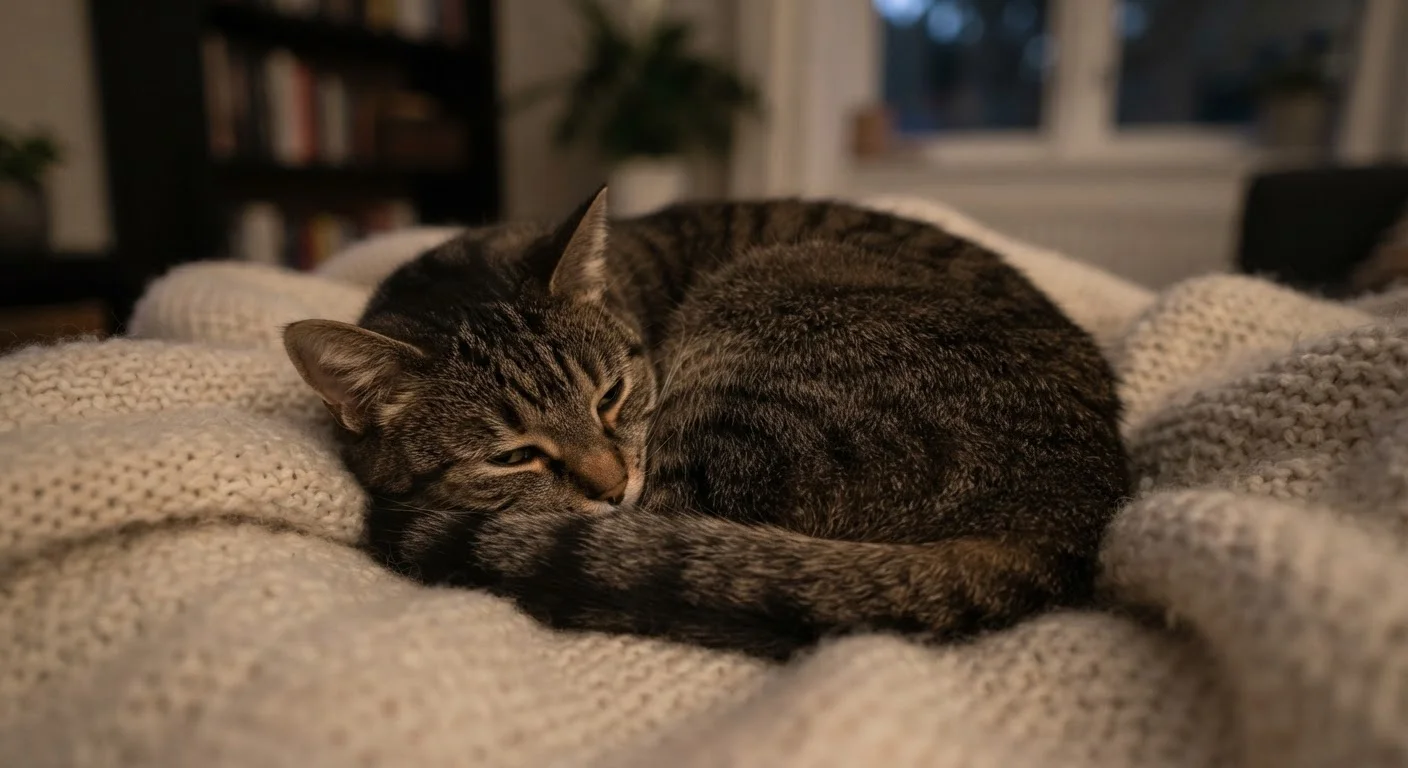
Cats are descended from solitary hunters. In the wild, showing vulnerability invites predation, so evolution has built a powerful instinct to conceal weakness. Even today's pampered indoor cat retains that wiring. The result: a pet that may be suffering significantly while appearing almost completely normal to the people who love them most.
This isn't stubbornness or stoicism - it's biology. And it means that by the time a cat's pain becomes obvious, the underlying problem is often well advanced. Understanding the subtle, easily overlooked signals is one of the most important things a cat owner can do. You can also learn a great deal from posture and expression; our feline body language reference covers many of those cues in detail.
Common Mistakes Cat Owners Make When Reading Pain Signals
Most owners aren't ignoring their cats - they're misreading them. These are the errors that most often allow feline pain to go undetected and untreated.
Assuming a purring cat is a pain-free cat.
Why it happens: Purring is universally associated with contentment, so owners rarely question it. But cats also purr when stressed, frightened, or in pain - it appears to be a self-soothing mechanism, not a reliable comfort indicator.
Interpreting aggression or withdrawal as personality, not pain.
Why it happens: When a formerly friendly cat begins hissing, biting, or avoiding contact, owners often assume something social has changed - a new pet, a disrupted routine, or a mood shift. Pain-related irritability rarely comes to mind first.
Overlooking grooming changes as a meaningful symptom.
Why it happens: Owners typically notice dramatic changes - a matted, clearly neglected coat - but miss the earlier phase, when a cat begins over-grooming one spot or stops grooming hard-to-reach areas due to restricted movement.
Waiting for vocalisation as confirmation of pain.
Why it happens: Humans associate pain with sound, so owners often wait for crying or yowling before taking action. Most cats in pain do not consistently vocalise, and some never do.
Misreading reduced appetite as pickiness rather than a warning sign.
Why it happens: Cats have a reputation for being finicky eaters, which makes it easy to rationalize food refusal as preference rather than symptom. Dental pain, nausea from an underlying condition, or general malaise can all suppress appetite.
Don't Attribute All Changes to 'Getting Older'
Age-related decline is real, but pain is not an inevitable or acceptable part of aging for cats. Many conditions that cause pain in senior cats - including arthritis, dental disease, and kidney disease - are manageable when caught early. Dismissing behavioral changes in an older cat as 'just slowing down' can allow treatable conditions to progress unnecessarily. If your senior cat's habits or temperament have shifted, have a vet rule out a medical cause first.
When to Act - and What to Watch For Over Time
Because pain signals in cats tend to be cumulative and subtle, tracking changes over time matters more than spotting a single dramatic symptom. If your cat was an enthusiastic groomer who now looks unkempt, or a social animal who has begun hiding under the bed, that shift deserves attention - even if no single behavior looks alarming in isolation.
~90%
Senior cats with X-ray evidence of arthritis
Studies examining radiographs of cats over age 12 have found arthritic changes in approximately 90% of cases, yet the condition is widely underreported in clinical settings due to subtle presentation.
70%+
Cats with dental disease by age 3
Veterinary dental health surveys suggest the majority of cats develop some form of periodontal disease by early adulthood, often without owners noticing reduced appetite or oral discomfort.
Litter box behavior is another reliable early indicator. Cats in pain - particularly those with urinary issues, arthritis, or gastrointestinal problems - often change their box habits before any other sign appears. Our article on litter box avoidance explores the connection between physical discomfort and elimination changes.
Routine wellness exams give veterinarians a baseline against which to measure change. Cats that skip annual checkups lose the benefit of that comparison. Learn more about what those visits involve in our guide to annual vet visits for cats.
This article is for general informational purposes only and is not a substitute for professional veterinary advice. If you are concerned about your cat's health or behavior, consult a licensed veterinarian.