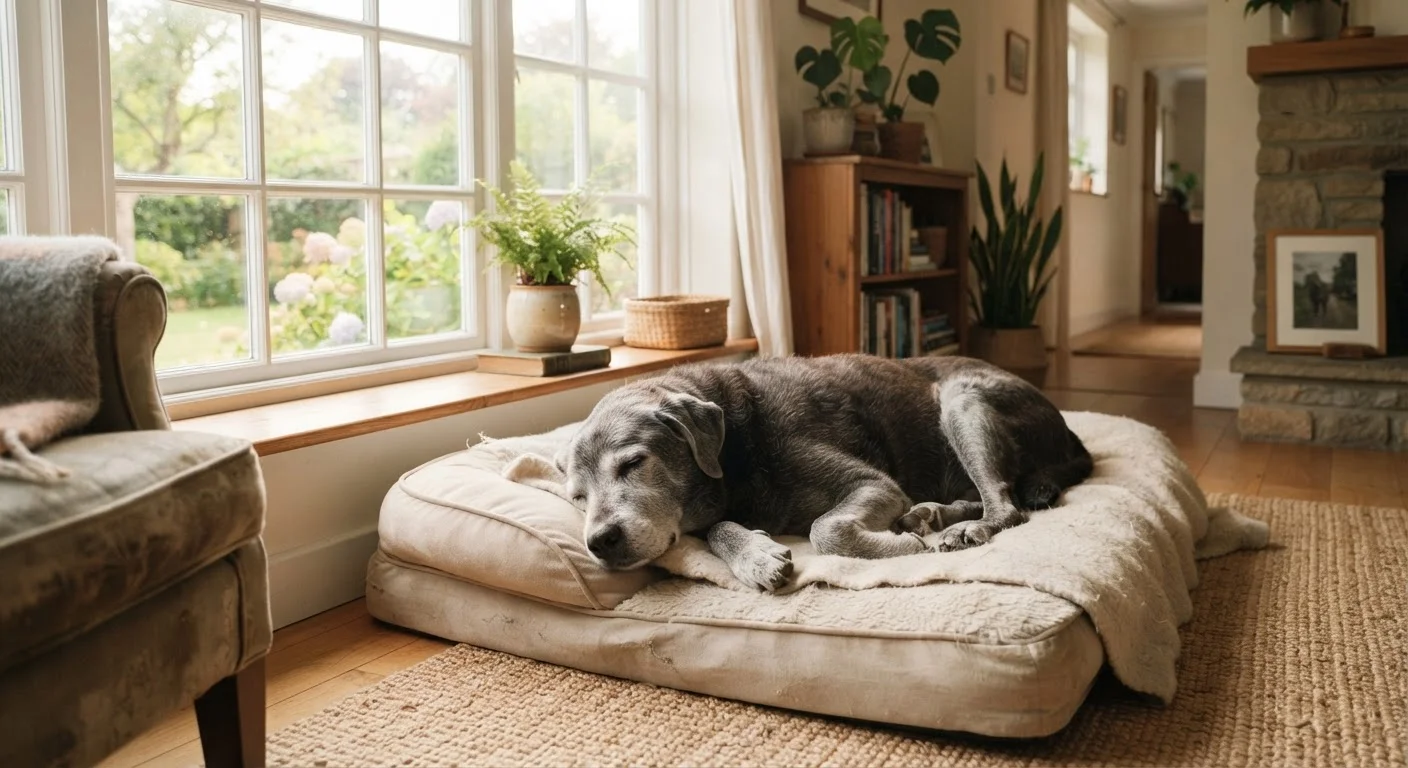
When Does a Dog Become a Senior?
The commonly cited threshold of age seven is a useful starting point, but the reality is more nuanced. A dog's rate of aging depends heavily on body size and breed. Large and giant breeds - such as Great Danes and Mastiffs - are generally considered seniors around age five or six. Medium breeds typically cross that threshold around seven. Small breeds like Chihuahuas and Toy Poodles may not show significant age-related changes until eight or nine.
Aging is not a single event but a gradual process. Rather than waiting for obvious decline, proactive owners should begin anticipating senior-stage needs before visible changes appear. That means adjusting care routines, scheduling more frequent vet visits, and staying attuned to subtle shifts in behavior and energy - all of which are explored throughout this guide.
Health Screenings and Vet Visit Frequency
Annual wellness exams are standard for adult dogs, but most veterinarians recommend moving to twice-yearly visits once a dog reaches senior status. The reasoning is straightforward: age-related conditions such as kidney disease, hypothyroidism, diabetes, and heart disease can progress quickly, and early detection meaningfully improves outcomes.
A senior wellness exam typically includes a physical assessment, blood chemistry panel, complete blood count, urinalysis, and blood pressure evaluation. Depending on the dog, your vet may also recommend thyroid testing, chest X-rays, or an abdominal ultrasound. These aren't excessive - they reflect the accelerated pace at which a senior dog's health can change.
Vaccination protocols also shift in the senior years. Discuss with your vet which boosters remain appropriate given your dog's health status and lifestyle. Our guide to dog vaccination schedules covers what to expect at each life stage. Dental health deserves its own attention: periodontal disease is common in senior dogs and linked to systemic organ complications. See our article on dental health in dogs for the full picture.
Request a baseline senior blood panel at your dog's first senior-stage visit, even if they appear healthy. Having documented baseline values makes it far easier to detect meaningful changes in future tests.
Individual dogs vary widely in their normal ranges for key markers like kidney values. Without a baseline, early-stage disease can be overlooked when results fall within the broad published reference range.
Track your senior dog's weight monthly at home using a baby scale or your vet's scale during walk-in visits. A consistent five to ten percent unintentional weight change in either direction warrants a veterinary conversation.
Weight change is one of the earliest and most reliable indicators of underlying health issues in senior dogs, yet it's often missed until the change becomes dramatic.
Nutritional Needs in the Senior Years
Senior dogs generally need fewer calories than they did in their prime - reduced activity and a slower metabolism mean that the same food volume that maintained a healthy adult weight can cause obesity in an older dog. Excess weight places additional strain on aging joints and can worsen conditions like arthritis and diabetes.
That said, some senior dogs trend the opposite direction, losing weight due to reduced appetite, dental pain, or conditions like kidney disease that affect nutrient absorption. There is no single senior formula that fits every dog; caloric and protein needs must be evaluated individually, ideally with veterinary guidance.
Key nutritional considerations for senior dogs include:
- Protein quality: Contrary to older thinking, most healthy senior dogs benefit from adequate high-quality protein to maintain muscle mass. Only dogs with specific kidney disease diagnoses may need restriction - always follow your vet's guidance.
- Joint-supporting nutrients: Omega-3 fatty acids (particularly EPA and DHA) and glucosamine are frequently recommended to support joint comfort, though evidence varies by formulation and individual dog.
- Fiber: Increased dietary fiber can support digestive regularity, which tends to slow with age.
- Hydration: Senior dogs are more prone to dehydration; wet food or added water can help maintain fluid intake.
Mobility, Exercise, and Joint Health
Arthritis (osteoarthritis) is one of the most common conditions in senior dogs. A dog that was once eager to sprint may now hesitate on stairs, be reluctant to jump into the car, or show stiffness after rest. These signs can be subtle - our resource on signs your dog may be in pain can help you recognize what's easy to miss.
Exercise remains important for senior dogs - it maintains muscle mass, supports joint lubrication, and provides mental stimulation. The key is adjusting intensity and duration. Shorter, more frequent walks are generally preferable to long, demanding outings. Swimming is an excellent low-impact option for dogs with significant joint issues. Our article on indoor vs. outdoor exercise offers useful ideas for adapting activity year-round.
If your vet identifies arthritis, treatment options may include nonsteroidal anti-inflammatory drugs (NSAIDs), physical therapy, laser therapy, or joint supplements. Never administer human pain medications - many are toxic to dogs.
Never Use Human Pain Medications on Dogs
Common over-the-counter pain relievers - including ibuprofen, acetaminophen, and naproxen - are toxic to dogs and can cause serious or fatal organ damage even in small doses. If your senior dog appears to be in pain, contact your veterinarian for safe, species-appropriate options. Do not attempt to manage your dog's pain with medications from your own medicine cabinet.
Cognitive and Behavioral Changes
Canine Cognitive Dysfunction (CCD) is a neurological condition in senior dogs with similarities to dementia in humans. Signs include disorientation in familiar spaces, changes in sleep-wake cycles (particularly nighttime restlessness), reduced interaction with family members, house-training regression, and apparent anxiety without a clear trigger.
CCD is more common than many owners realize: research suggests a meaningful proportion of dogs over age eleven show some signs, though milder changes can appear earlier. If you notice these behaviors, a veterinary evaluation is important - some symptoms overlap with other treatable conditions such as hypothyroidism, hypertension, or pain.
Environmental enrichment - food puzzles, scent games, and short training sessions - can help maintain cognitive engagement. Some dogs with CCD benefit from prescription diets, supplements, or medications; discuss the options with your veterinarian rather than self-treating.
Home Adjustments That Make a Real Difference
A few targeted changes to your home environment can substantially improve a senior dog's daily comfort and safety:
- Orthopedic bedding: Memory foam or orthopedic dog beds reduce pressure on achy joints, particularly important for dogs who spend more time resting.
- Non-slip flooring: Hardwood and tile floors are hazardous for dogs with joint pain or reduced muscle strength. Area rugs, yoga mats, or adhesive paw grips can prevent slips and falls.
- Ramps and steps: If your dog previously jumped onto furniture or into your car, a ramp or pet steps removes the impact stress that can worsen joint conditions.
- Raised food and water bowls: These reduce neck and back strain during eating and drinking, particularly helpful for large breeds.
- Nightlights: Dogs experiencing vision decline or CCD-related disorientation can navigate more confidently with gentle ambient lighting after dark.
For dogs who are adjusting to reduced mobility, revisiting how they spend unsupervised time is worthwhile. Our comparison of crate training vs. free roaming may help you decide what works best for an older dog's safety and comfort.
Quality of Life and End-of-Life Planning
Caring for a senior dog inevitably means confronting difficult questions about quality of life. Veterinarians often use structured quality-of-life frameworks that assess factors such as pain management, appetite, hydration, mobility, hygiene, mental engagement, and overall happiness relative to difficult days. Discussing these tools with your vet before a crisis makes the process more thoughtful and less reactive.
Palliative and hospice care for dogs is a growing field. It focuses on maximizing comfort rather than curative treatment, and can be a compassionate choice when a dog's condition is no longer reversible. Euthanasia, when chosen, is considered a humane way to prevent prolonged suffering - a difficult but genuinely caring decision that many veterinarians see as the final act of responsible ownership.
No guide can replace the individualized advice of a veterinarian who knows your dog. Schedule a candid conversation early in your dog's senior years - rather than during a crisis - so that you have a plan grounded in your dog's specific needs and your own values as an owner.
This article is for general informational purposes only and is not a substitute for professional veterinary advice. Always consult a licensed veterinarian for guidance specific to your dog's health and circumstances.