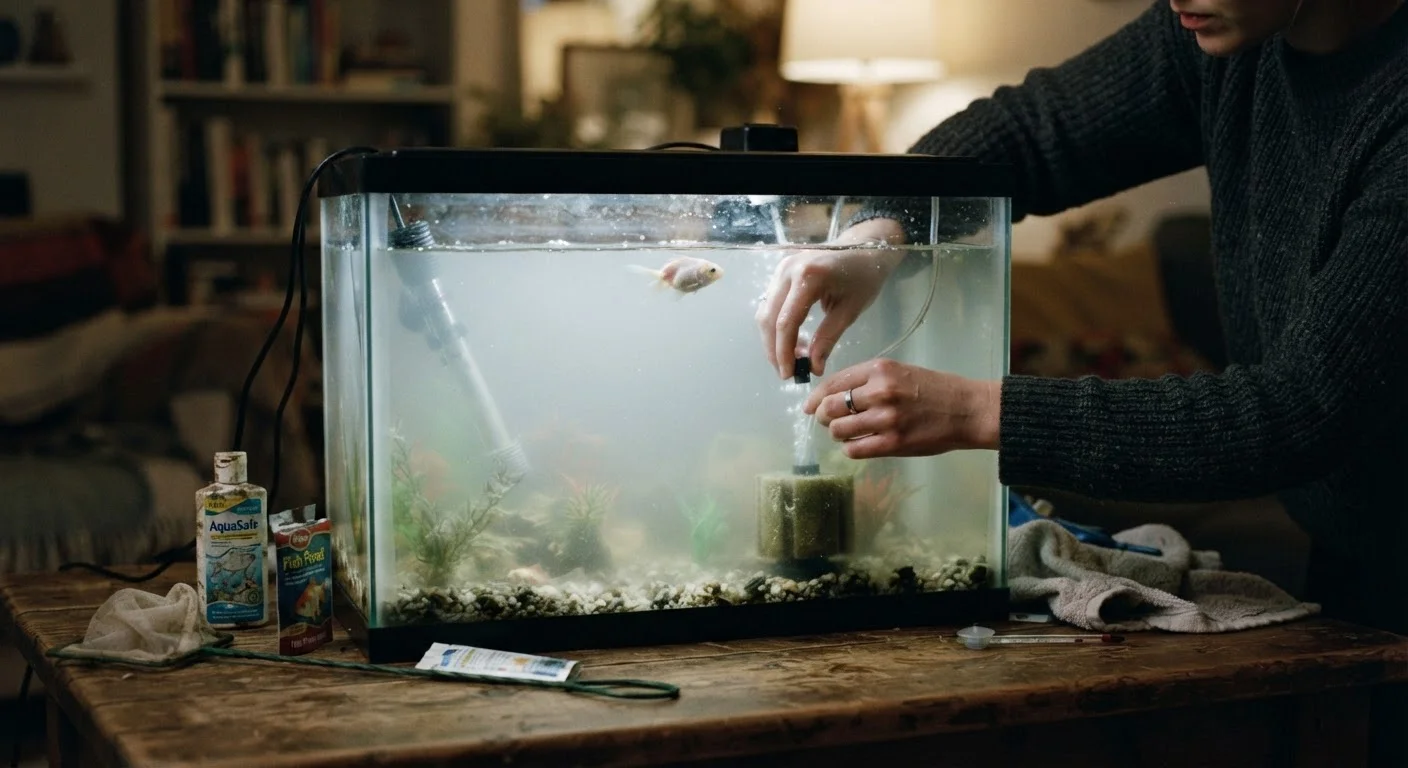
Why New Fish Keep Dying - and Why It's Not Your Fault Yet
Losing fish within days of bringing them home is one of the most discouraging experiences in fishkeeping - and one of the most common. The good news is that the overwhelming majority of early losses trace back to a small set of predictable, preventable setup mistakes. Understanding what goes wrong before a single fish enters the tank is the most important investment a beginner can make.
Most pet stores sell fish and equipment side by side, creating the impression that setup is straightforward. What they rarely emphasize is that an aquarium is a living biological system, not a static container. Getting that system stable takes time and specific preparation. Our freshwater aquarium setup guide covers the full process from equipment to water chemistry. This article focuses specifically on where beginners most often go wrong - and how to course-correct.
Never Skip the Nitrogen Cycle
Adding fish to an uncycled tank exposes them to rising ammonia and nitrite - both acutely toxic even at low concentrations. A tank needs two to six weeks to establish the beneficial bacterial colonies that process these compounds. Rushing this step is the most common reason healthy fish die within days of purchase. See our full nitrogen cycle guide before adding any livestock.
The Most Common Setup Mistakes - and How to Avoid Them
Each of the errors below is extremely common and, once understood, entirely avoidable. Work through this list before purchasing fish, not after.
Adding fish to a tank that hasn't completed the nitrogen cycle.
Why it happens: New keepers often don't know the cycle exists, or assume a running filter means the tank is ready. Pet store staff don't always explain this step at the point of sale.
Using untreated tap water directly in the aquarium.
Why it happens: Tap water looks and smells clean, so beginners assume it's safe. In reality, municipal water contains chlorine or chloramines that damage fish gills and kill the beneficial bacteria in your filter.
Overstocking the tank with too many fish too quickly.
Why it happens: Pet stores display many compatible-looking species together, making it easy to add several varieties in one trip. Beginners also underestimate how much waste even small fish produce.
Skipping proper acclimation when introducing fish to the tank.
Why it happens: It feels counterintuitive to wait when fish appear distressed in a transport bag. Many buyers simply release fish into the tank immediately after arriving home.
Choosing fish species without researching their compatibility or care requirements.
Why it happens: Appearance drives impulse purchases at the store. It's easy to mix aggressive species with peaceful ones, or pair fish with incompatible temperature or pH needs.
Overfeeding fish in the belief that more food means healthier fish.
Why it happens: Fish appear to beg at feeding time and rarely refuse food, so owners assume they're still hungry. Excess feeding feels like good care.
Test Water Before You Trust It
Visual clarity is not a reliable indicator of water safety. A tank can look crystal clear while carrying lethal ammonia or nitrite levels. Always use a liquid-based freshwater test kit - not strip tests, which are far less accurate - to verify ammonia, nitrite, nitrate, and pH before and after adding fish.
It's also worth reviewing common small-pet care myths - several popular beliefs about fish, including assumptions about their resilience and memory, lead directly to the kinds of neglect that cause early deaths.
Building Habits That Keep Fish Alive Long-Term
Avoiding mistakes at setup dramatically improves survival rates, but good fishkeeping is an ongoing practice. Perform partial water changes of roughly 20-25% weekly, test water parameters regularly, and observe fish daily for behavioral changes - lethargy, loss of appetite, or unusual swimming patterns are early indicators that something is off.
If you're curious about how aquarium care differs from outdoor setups, our aquarium vs. pond fish care comparison explores how species needs and maintenance demands diverge significantly between environments.
90%
Of new fish deaths linked to water quality
Aquatic veterinary and hobbyist resources consistently attribute the vast majority of beginner fish losses to preventable water chemistry problems rather than disease.
2-6 weeks
Time needed to cycle a new freshwater tank
Establishing a stable nitrogen cycle typically takes two to six weeks depending on tank size, temperature, and the ammonia source used during fishless cycling.
Most beginner fish losses are not a sign that someone is bad at fishkeeping - they're a sign that the hobby's real learning curve wasn't communicated upfront. With the right preparation, a stable, thriving tank is genuinely achievable from the start.
This article is for general informational purposes only and does not substitute for guidance from a qualified aquatic veterinarian or experienced fishkeeping professional.